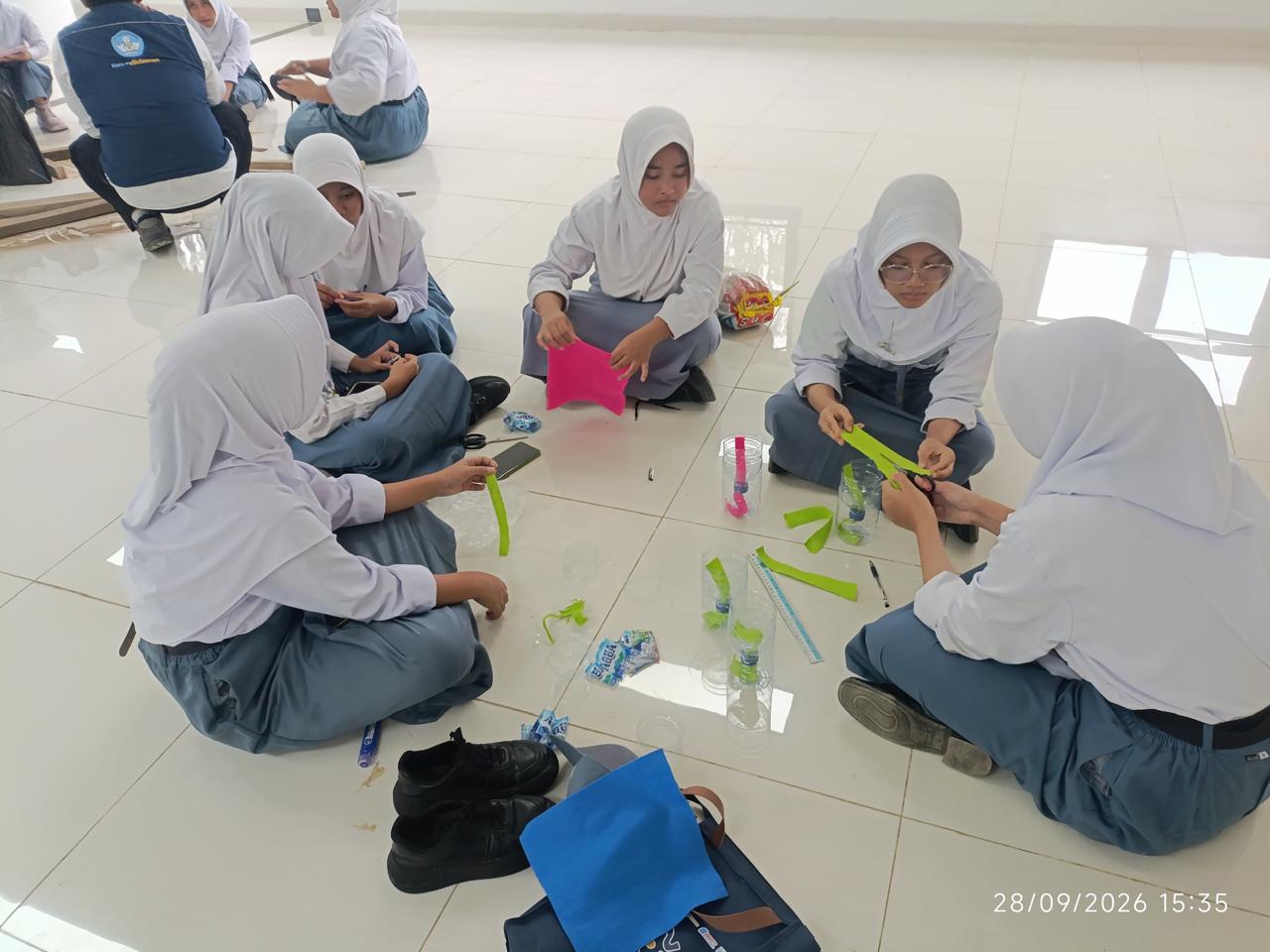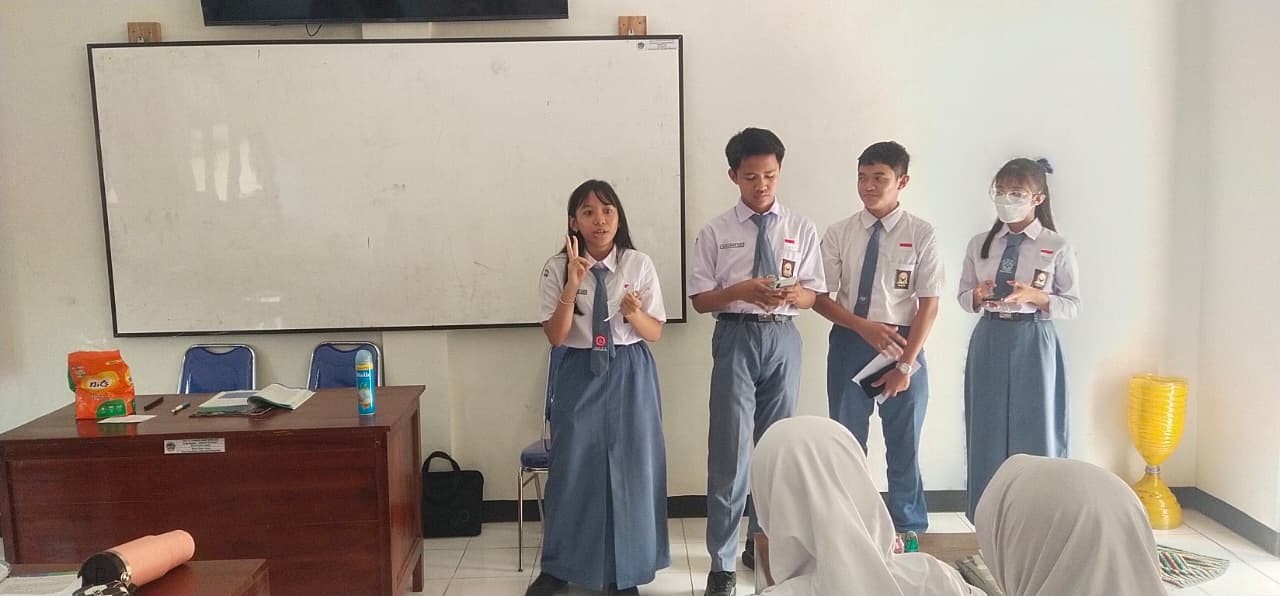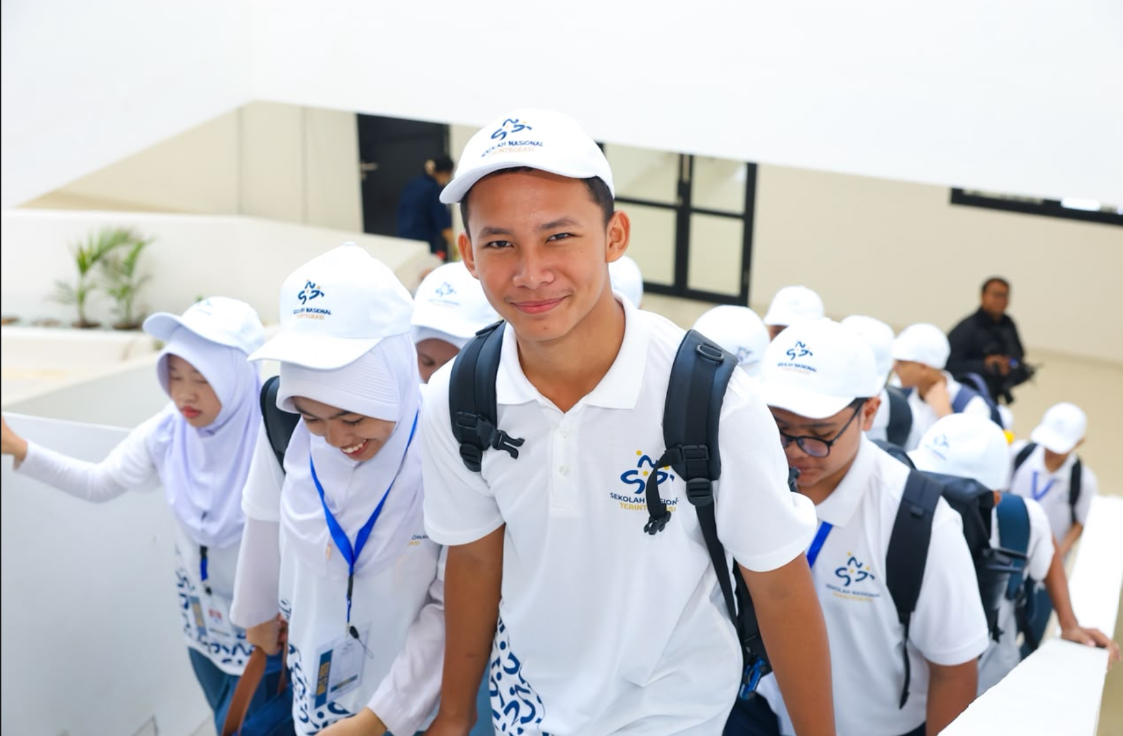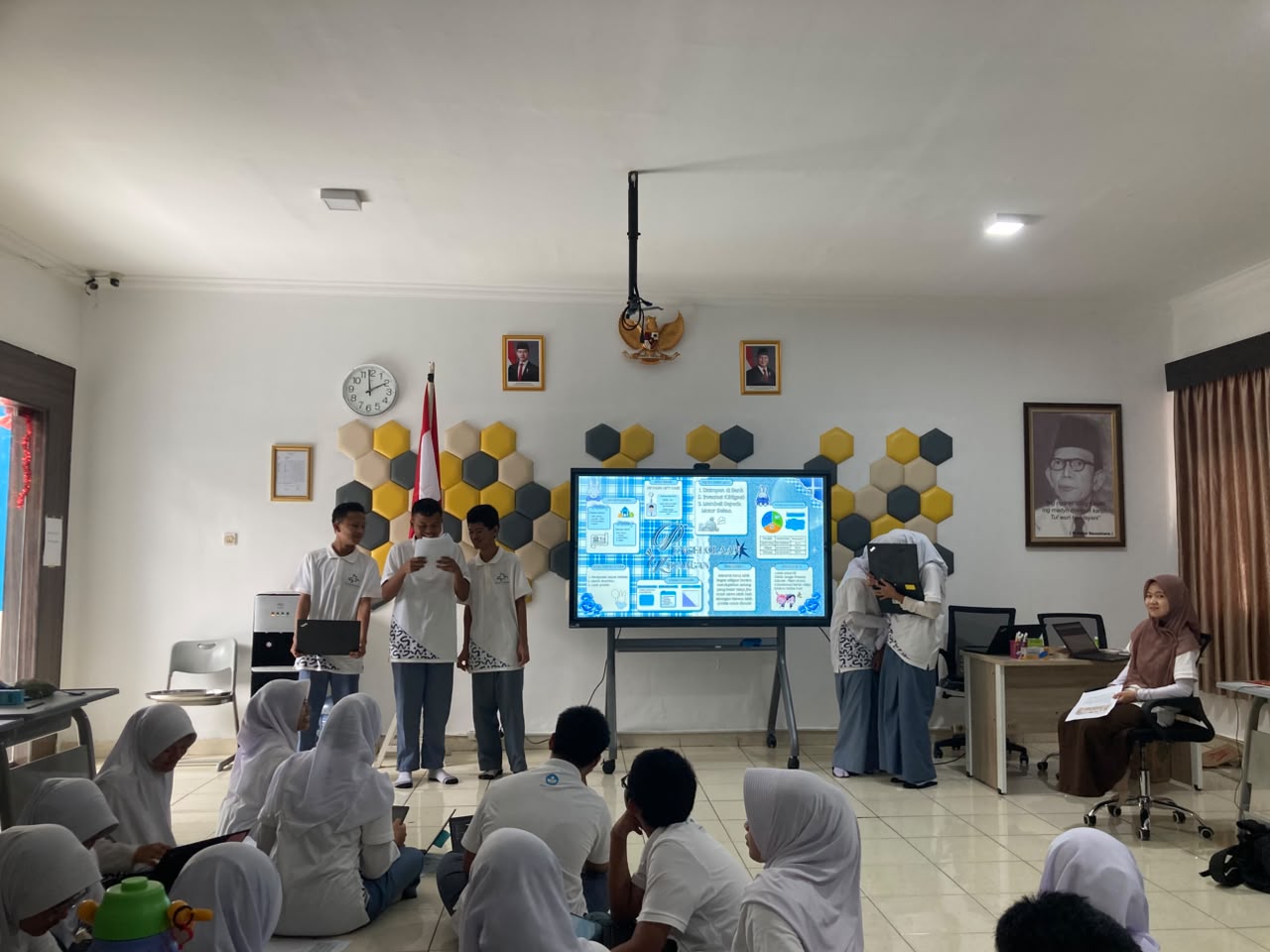




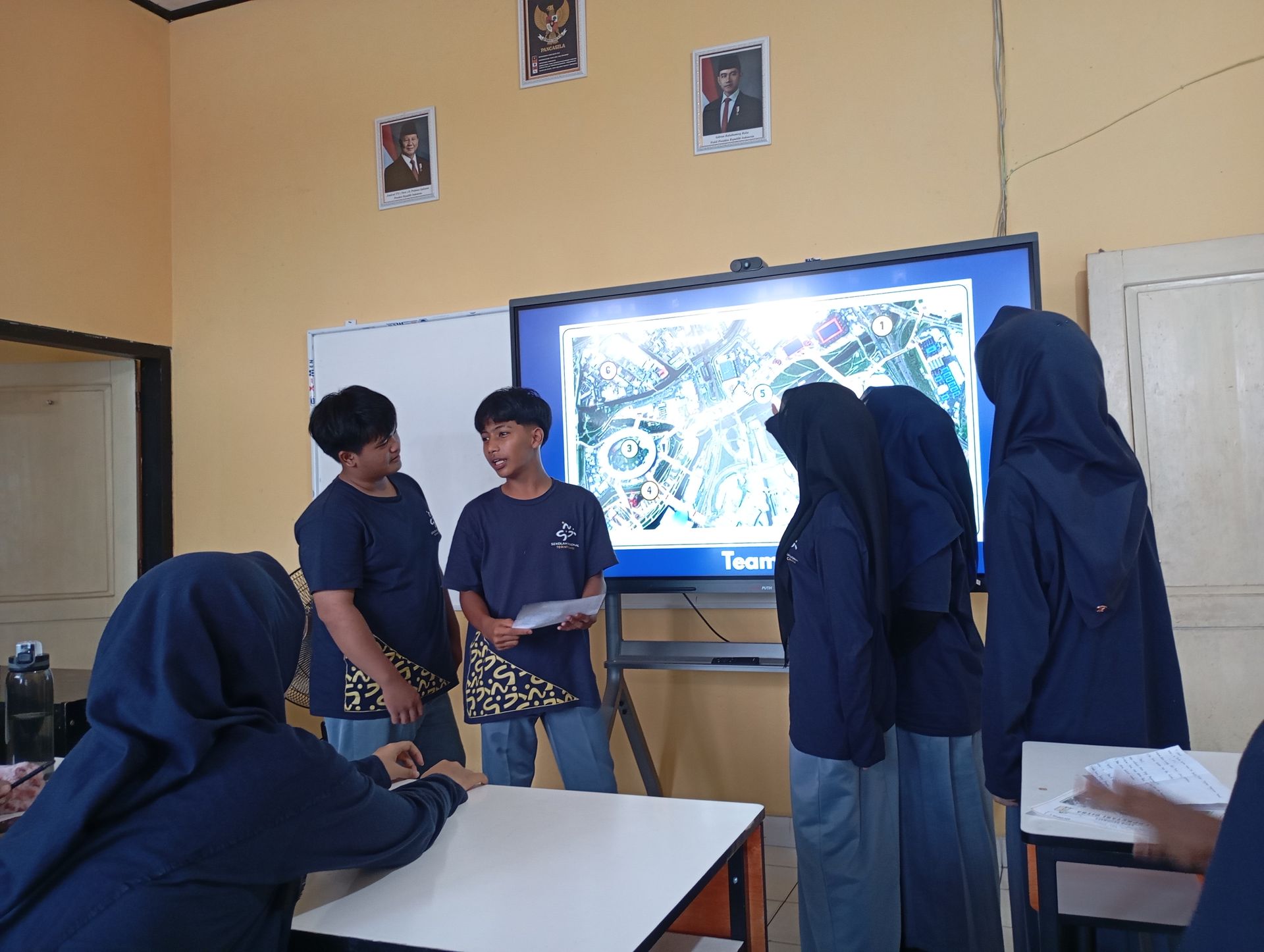
Tebo Regency, Jambi, Ministry of Elementary and Secondary Education — For students of SNT 16 Tebo, learning about fires is more than just understanding classroom material. They are encouraged to observe their surroundings, discuss potential risks, and assess and consider the quickest and safest evacuation routes. These activities are part of a learning experience that incorporates Science , Technology , Engineering , Arts , and Mathematics (STEAM)-based learning.
One such experience was shared by Regiana Putri, a 10th-grade student at SNT 16 Tebo. She believes STEAM learning offers a unique experience because it provides students with the opportunity to learn through group activities and hands-on practice.

"It's really fun because we're not limited to just the classroom material. Like yesterday, we learned about fire evacuation. We were able to assess and consider the quickest and safest evacuation routes because we discussed them together and tried them out firsthand," he said.
According to Regiana, the experience helps students understand the connection between the learning material and everyday life. "We can understand it better, apply it directly to our lives and habits, and it has a real impact on our students' knowledge and thinking," she said.
SNT 16 Tebo teacher Vitri Yanti said the tenth-grade classroom practice begins with a discussion of fires occurring in the surrounding area. One example is the fire at SMPN 2 Sungai Penuh. This learning experience is applied through the topic of designing a fire evacuation system. Students are guided through a step-by-step approach, from identifying the causes of fires to considering steps to take in an emergency.
"The first week of learning begins with identifying recent problems in the surrounding environment. Then, students identify why fires occur, what causes them, what to do in the event of a fire, and how to handle it," explained Vitri.
Entering the second week, students conducted environmental observations using satellite imagery or remote sensing. This activity helped them understand the conditions of the area and provided the basis for determining and considering possible evacuation routes. Through this process, Vitri observed that students began to gain new experiences in understanding their surroundings. They also learned to recognize locations and map previously unknown areas.
"Children become more aware of their surroundings and can learn what to do in the event of a fire. Furthermore, they also learn how to map previously unknown locations," explained Vitri.

Learning also involves collaboration between teachers by connecting material from various subjects. At the junior high school level, STEAM implementation involves Pancasila Education, Mathematics, and Indonesian. Meanwhile, at the high school level, learning involves Pancasila Education, Geography, Mathematics, and Physics. "STEM learning is more engaging because the material is filled with collaboration between several teachers and interconnected topics," said Vitri.
The principal of SNT 16 Tebo, Memolo, stated that the STEAM implementation was part of the school's efforts to implement an integrated curriculum. The school also wanted to see the effectiveness of this approach in classroom learning.
"We're implementing an integrated curriculum, so we want to see its effectiveness and impact in the classroom. Furthermore, schools are hoping for improved learning quality, as this is something new," Memolo said.
The implementation of STEAM at SNT 16 Tebo provides a space for students to connect knowledge from various subjects with issues they encounter in their surroundings. Through the process of observing, discussing, and practicing knowledge, students gain learning experiences that are closer to everyday life. Memolo said the school will continue learning for three weeks before conducting an evaluation and providing feedback for improving the next practice. "The plan is for the school to implement it for three weeks, then evaluate it and provide feedback. Furthermore, this practice will be carried out again at the next opportunity," said Memolo. (Writer: Destya / Editor: Denty / Documentation: SNT 16 Tebo Team)