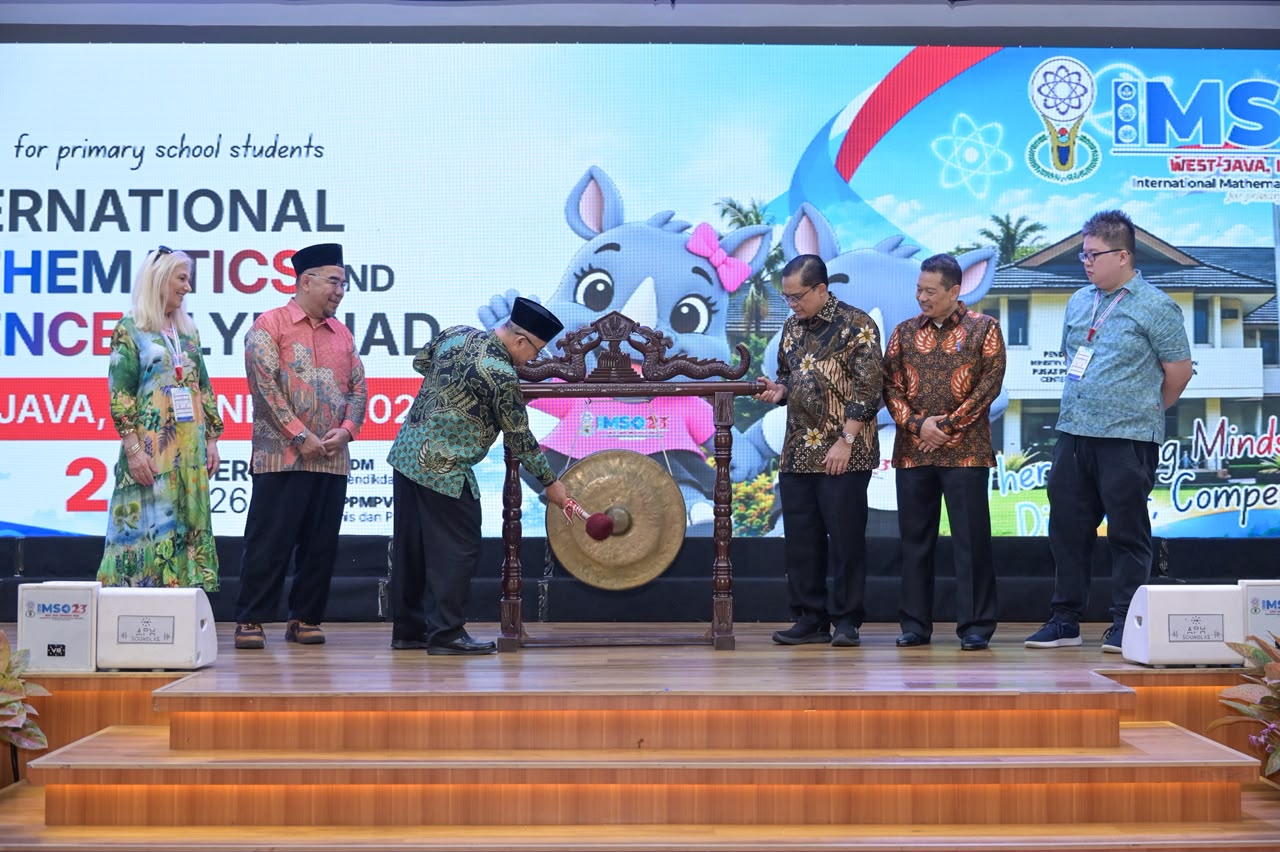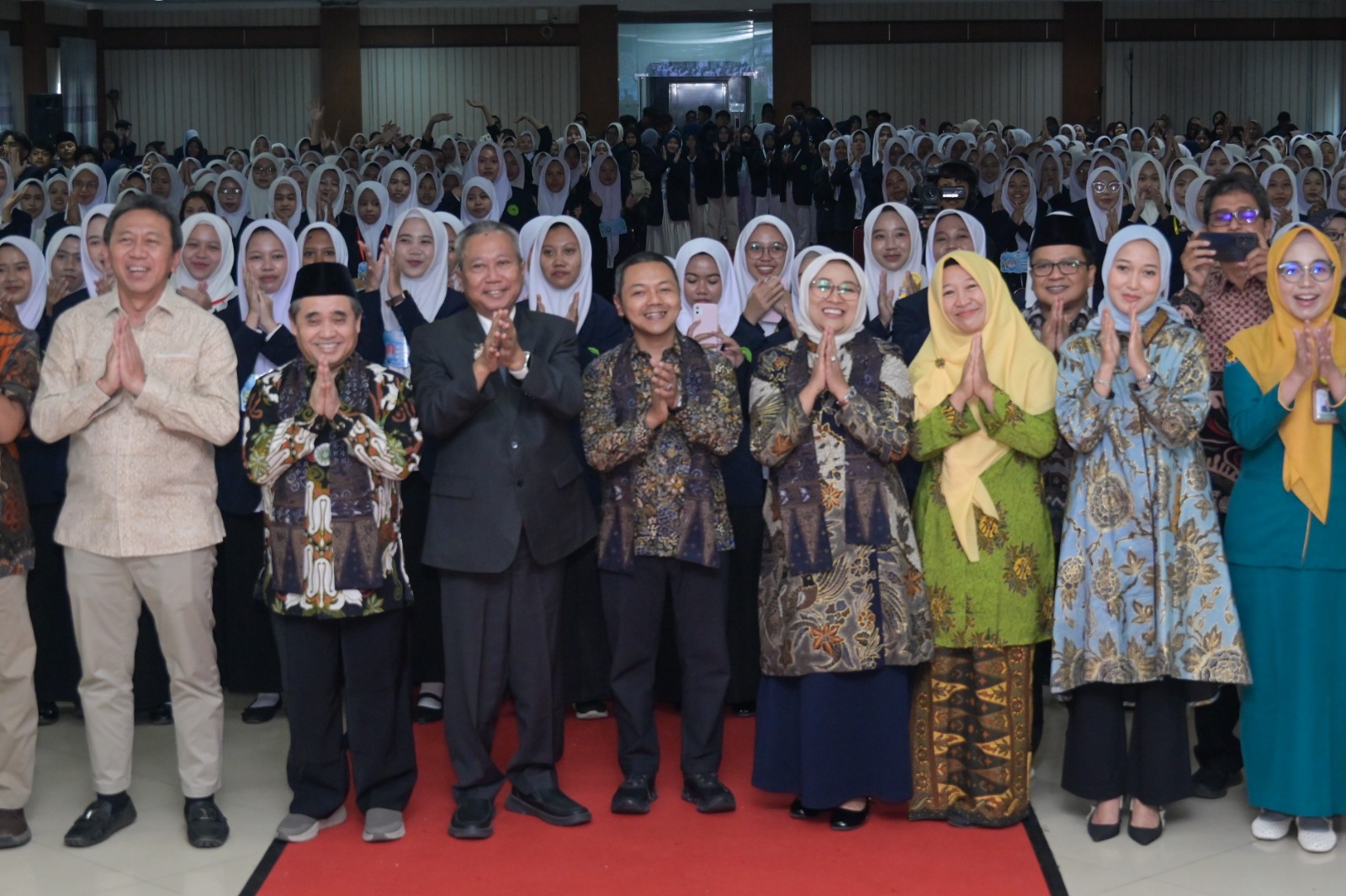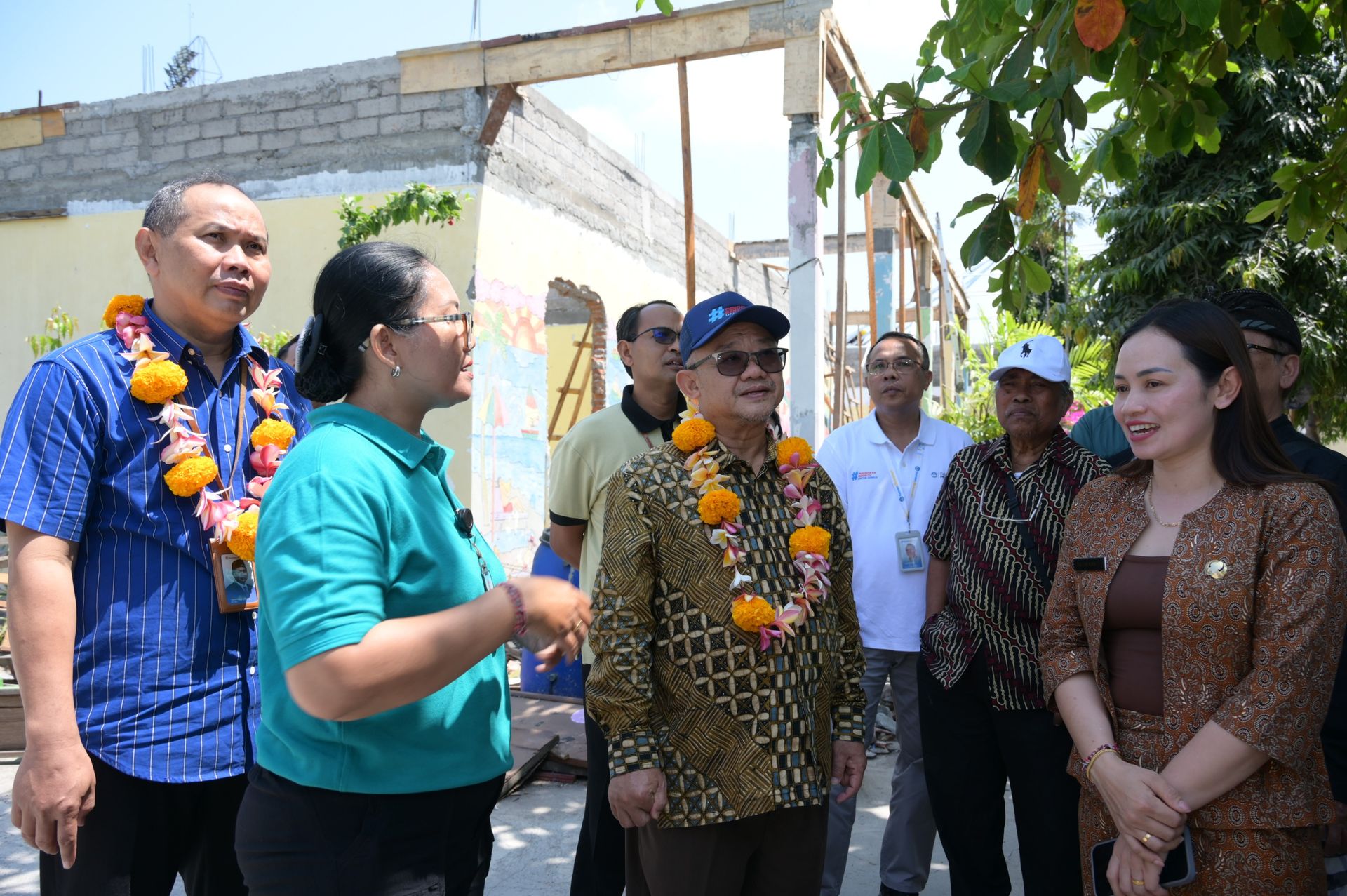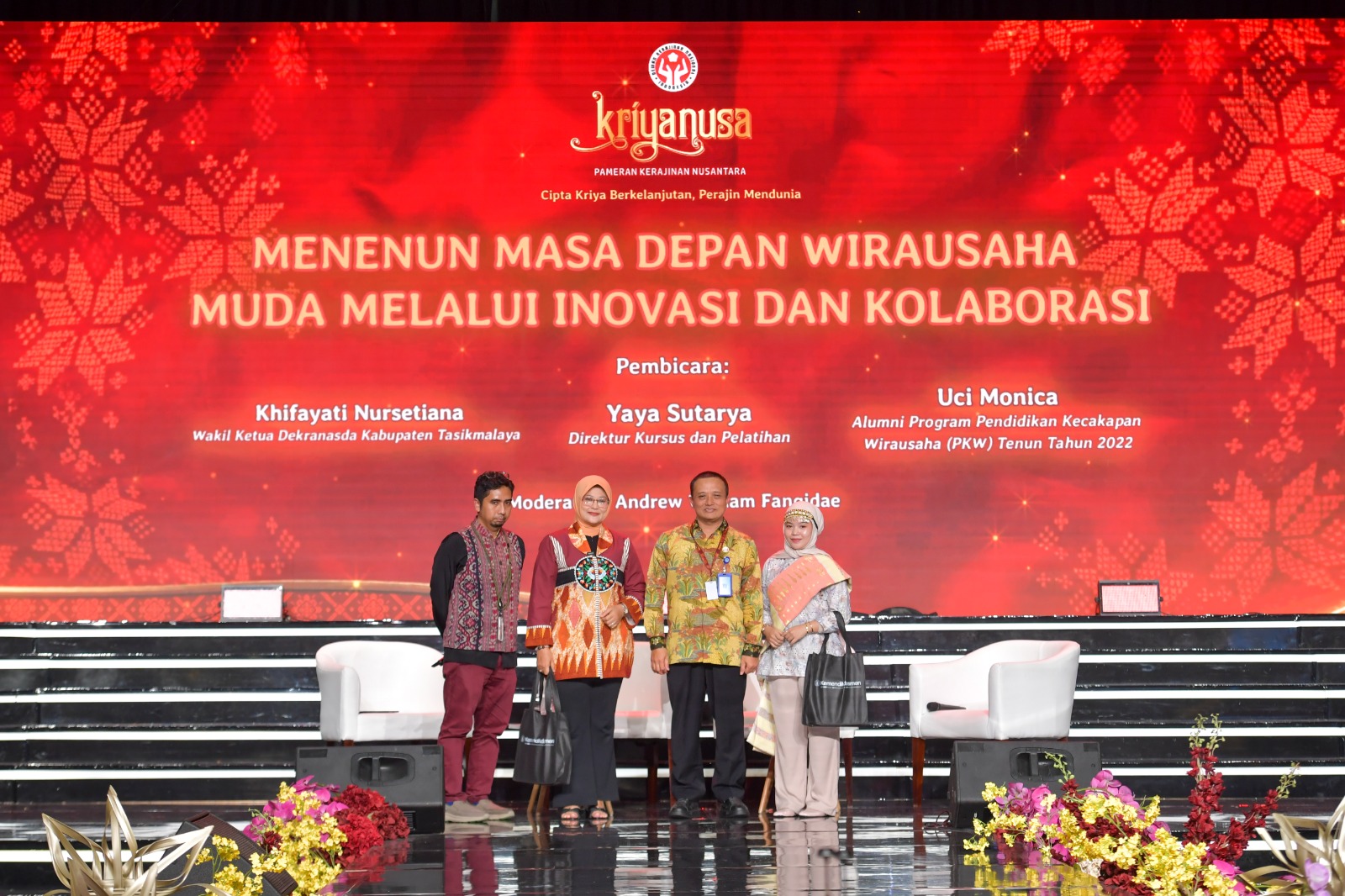




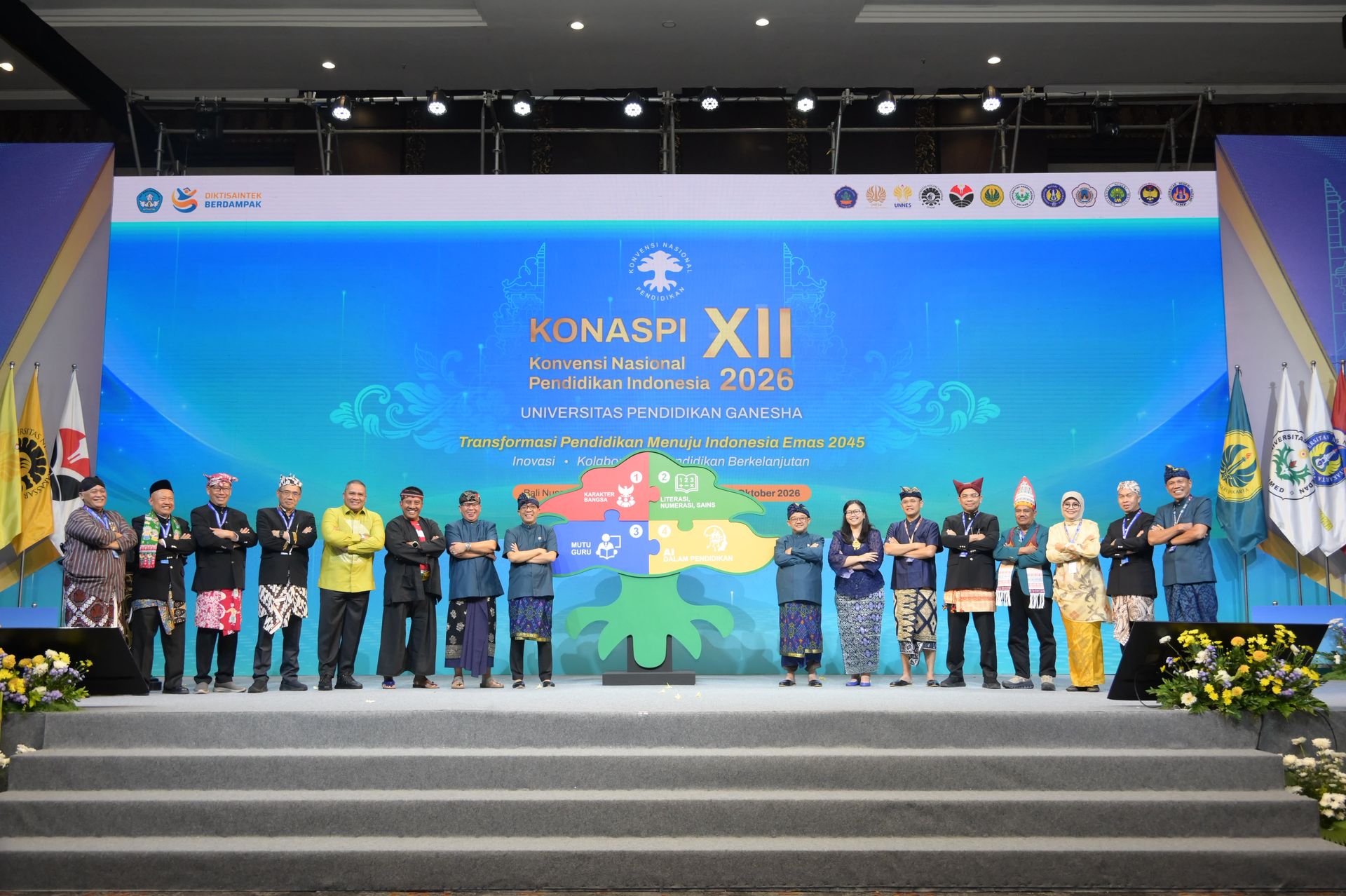
Bali, October 3, 2026 – Improving the quality of education cannot be done by one party. Higher education institutions, particularly Teacher Training Institutions (LPTK), and primary and secondary education units need to build an interconnected ecosystem to jointly improve teacher and learning quality. This was conveyed by the Minister of Primary and Secondary Education (Mendikdasmen), Abdul Mu'ti, while attending the 12th Indonesian National Education Convention (KONASPI) 2026 at the Bali Nusa Dua Convention Center (BNDCC), Bali, Friday (2/10).
Abdul Mu'ti stated that the relationship between higher education and primary and secondary education is an ecosystem. Both are interdependent and must complement and strengthen each other. "When we talk about ecosystems, we're talking about interdependence and complementarity, mutually reinforcing each other," said Minister of Primary and Secondary Education Abdul Mu'ti in Bali (October 2).

He explained that teacher quality is closely linked to the quality of the universities that produce them. "If we want to have quality teachers, the key is universities that produce teachers. And quality teachers will produce quality students," he said.
In line with this, Minister of Primary and Secondary Education Abdul Mu'ti urged universities and educational institutions to work together rather than blame each other in addressing various educational challenges. He argued that existing problems should instead serve as an opportunity to strengthen cooperation. "There's no room for blame. Instead, the various problems we face are opportunities for us to strengthen each other and work together," he said.
Furthermore, the Rector of Ganesha University of Education (Undiksha), I Wayan Lasmawan, emphasized that LPTKs play a crucial role in the education ecosystem, particularly in addressing challenges related to teacher quality and professionalism. "Here, LPTKs are the heart of our education ecosystem, capable of taking a clear and decisive role. They can't simply shout about problems, but rather work together to solve them," Lasmawan said.

Five Education Policies That Require LPTK Support
On that occasion, Abdul Mu'ti outlined five policies of the Ministry of Primary and Secondary Education (Kemendikdasmen) that require support from higher education institutions, particularly LPTK (Teaching and Training Institutions). First, deep learning as an academic approach to address various learning issues, including schooling without learning and attention span . "Our policy, which is a priority of the Ministry of Primary and Secondary Education, is deep learning as an academic solution to the academic problems we face," he explained.
Second, strengthening character education through guidance and counseling. "We strive to strengthen character formation with a more humanistic approach, one that prioritizes mentoring students," he said.
Third, strengthening Science, Technology, Engineering, and Mathematics (STEM). Minister of Primary and Secondary Education Abdul Mu'ti stated that Indonesia needs more human resources capable of transforming natural resources into products of economic value through mastery of science and technology. "And because of that, of course, we need more teachers who are skilled in teaching STEM. Furthermore, there is now a policy called STEM 5M, namely STEM that is easy, affordable, fun, mindful , and meaningful ," he said.

Fourth, English will be a compulsory subject, starting in the 2027–2028 academic year, starting in grade 3 of elementary school. "Furthermore, the Ministry of Education and Culture is also training classroom teachers to teach English, including the basic skills of learning English , which prioritizes a communicative and engaging approach," he explained.
Fifth, coding and artificial intelligence (AI) are taught from fifth grade through secondary school. "Coding and AI can be taught from fifth grade onward through high school," he said.
Implementing these various policies requires increased teacher capacity. Therefore, universities are expected to take a greater role in providing training and developing teacher competencies. "We want to gain support from university leaders at this forum to improve the quality of our teachers. Therefore, various training programs must also be implemented," he emphasized.

On the same occasion, the Minister of Higher Education, Science, and Technology (Mendiktisaintek), Brian Yuliarto, also emphasized the importance of synergy between higher education and primary and secondary education in developing Indonesia's top talent. "In higher education, science, and technology, together with the Minister of Elementary and Secondary Education, we provide extraordinary encouragement to produce top talent in Indonesia. We want education to have an impact, our research and innovation to be strong, and of course, community service that can have a big impact," said Brian.*** (Writer: Ririn / Photographer: Destian)
Bureau of Communication and Public Relations
Secretariat General
Ministry of Primary and Secondary Education
Website: kemendikdasmen.go.id
X: x.com/Kemdikdasmen
Instagram: instagram.com/kemendikdasmen
Facebook: facebook.com/kemendikdasmen
YouTube: Ministry of Education and Culture
Questions and Complaints: ult.kemendikdasmen.go.id
Press Release from the Ministry of Primary and Secondary Education: kemendikdasmen.go.id/pencarian/siaran-pers
#QualityEducationforAll
#MinistryOfEducationAndEducationFriendly