



Jakarta, March 1, 2026 – The Ministry of Primary and Secondary Education (Kemendikdasmen) issued Ministerial Regulation Number 8 of 2026 concerning Technical Guidelines for the Management of Educational Unit Operational Assistance Funds (BOSP). The regulation, signed by the Minister of Primary and Secondary Education (Mendikdasmen), Abdul Mu'ti, and effective February 6, 2026, replaces a similar regulation from 2025 with several enhancements, including more targeted use of funds, stronger affirmation for schools in remote areas, and a stricter and more measurable reporting system.
"The BOSP Fund is a state investment to ensure that every Indonesian child, from urban to remote areas, receives quality and equitable education. This new regulation strengthens trust in educational institutions and emphasizes the responsibility for transparent and accountable fund management," said Minister Mu'ti.
Minister of Education and Culture Regulation Number 8 of 2026 regulates three types of operational funds: BOP PAUD Funds for early childhood education, BOS Funds for elementary, middle, high, vocational and special needs schools, and BOP Equivalency Funds for Package A, B, and C programs. Each is divided into three categories, namely Regular for routine operational financing, Performance as an appreciation for high-achieving educational units, and Affirmation to support schools located in special areas.

Support for Schools in Remote Areas
Strengthening affirmation is a key breakthrough in the 2026 BOSP technical guidelines. Support is focused on educational units in special areas, including remote, border, disaster-prone, and indigenous areas. The government guarantees sufficient operational funding for schools with small student populations in these areas.
For schools in special areas receiving Regular BOS, the minimum funding threshold is set at 9 students for early childhood education (PAUD), 60 for elementary and high school, and 10 for equivalent programs, even if the actual number is less than that. This policy ensures that no educational unit is left behind simply because of student limitations.
Digital Governance and Administrative Order
To simplify bureaucracy and improve accountability, all fund management is conducted through digital system integration. Educational units are required to prepare plans and reports directly through the Education Unit Activity and Budget Plan Application (ARKAS), which is connected to the Basic Education Data (Dapodik).
Schools can input funds at any time. This real-time system eliminates the backlog of end-of-year reports that often burden teachers and principals. This digitalization aims to create a clean educational environment where every transaction is documented and can be instantly verified by authorized parties.

Prioritizing Literacy and Quality Improvement
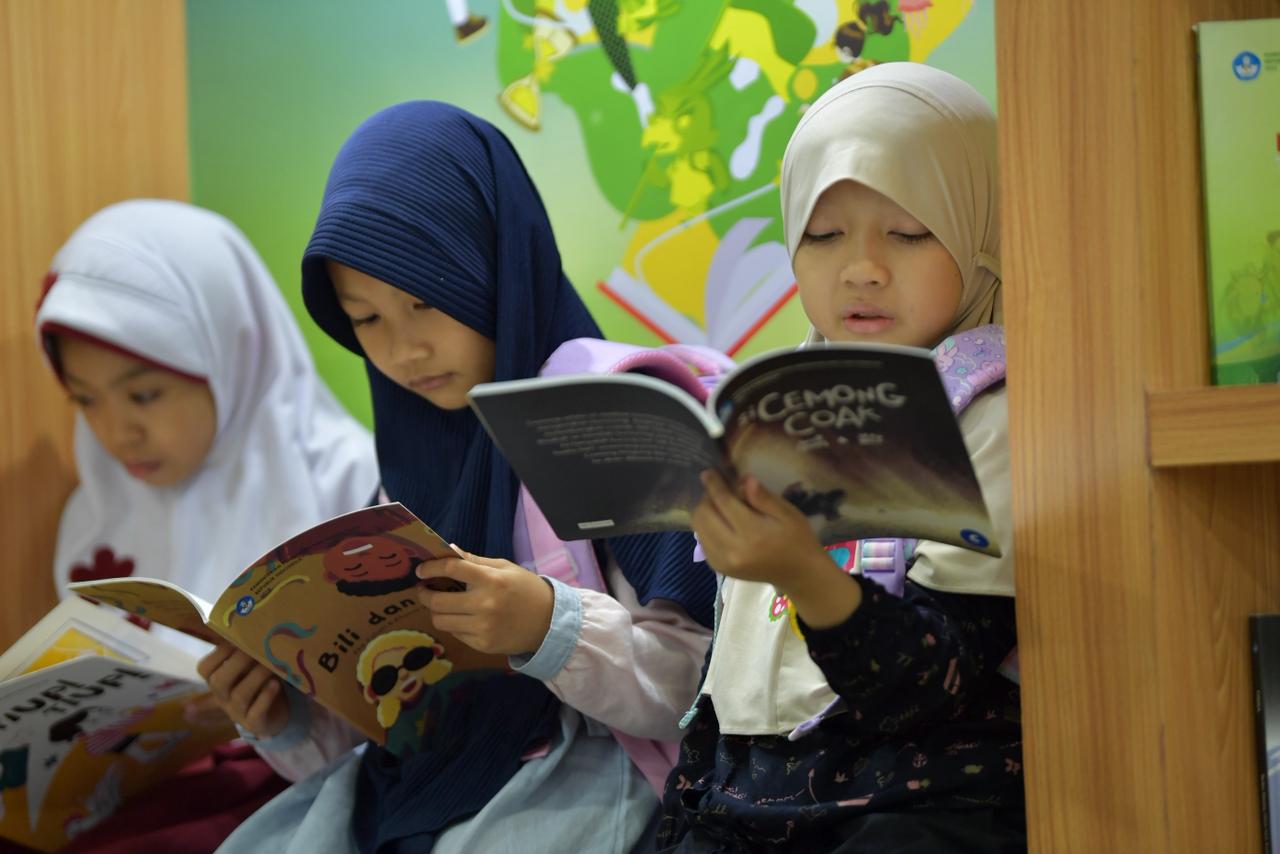
This Ministerial Regulation explicitly directs the use of funds to support a major national agenda, namely improving literacy and numeracy. Educational units are required to allocate a minimum of 5 percent of the Regular Early Childhood Education (PAUD) BOP Fund and a minimum of 10 percent of the Regular BOS Fund for library development. This budget is focused on providing core textbooks, engaging non-textbook reading materials, and improving school library services. Maintenance of facilities and infrastructure is limited to a maximum of 20 percent for public schools and 40 percent for private schools.
This regulation reinforces the performance-based appreciation mechanism. Schools that win awards at provincial, national, or international talent events are eligible for Performance BOS Funds. Furthermore, the 10 percent of schools with the best Education Report Card achievements in their region also receive performance allocations. The best-performing schools at the provincial level are designated as pilot schools, mentoring other educational institutions in their surrounding areas.
Collaboration, Oversight and Audit
The Education Office's role is strengthened as a partner to schools in developing plans based on the Education Report Card. This step ensures that the use of BOSP funds aligns with quality improvement needs, as mapped out through each school's data.
Community and parental participation through the School Committee is also encouraged to actively monitor open and responsible use.
Minister of Elementary and Secondary Education Regulation Number 8 of 2026 also tightens reporting discipline. School principals are required to submit a Phase I realization report no later than July 31st and an annual report no later than January 31st of the following year. Delays will result in a 2 to 4 percent reduction in the allocation for the next phase, depending on the duration of the delay. Educational units that fail to submit reports risk having their funding disbursed. All reporting and accountability for funds must undergo a rigorous audit and verification process for the completion of goods and services procurement.
Each educational unit is also required to declare its readiness to be audited in accordance with statutory provisions. Audits are conducted in stages to ensure that procurement of goods and services and budget utilization are in accordance with regulations.
Through the implementation of the 2026 BOSP technical guidelines, the Ministry of Primary and Secondary Education affirms its commitment to building an education budget management system that is impartial, transparent, and has a direct impact on improving the quality of education services throughout Indonesia.*** (Author: Uly/Editor: Denty A., Seno H./Documentation: BKHM)
Bureau of Communication and Public Relations
Secretariat General
Ministry of Primary and Secondary Education
Website: kemendikdasmen.go.id
X: x.com/Kemdikdasmen
Instagram: instagram.com/kemendikdasmen
Facebook: facebook.com/kemendikdasmen
YouTube: Ministry of Education and Culture
Questions and Complaints: ult.kemendikdasmen.go.id
Press Release from the Ministry of Primary and Secondary Education: kemendikdasmen.go.id/pencarian/siaran-pers
#QualityEducationforAll
#MinistryOfEducationAndEducationFriendly