



Jakarta, September 18, 2026 – As the challenges students face become more diverse, the need for support in schools is also changing. Guidance and counseling (BK) services are now being pushed to be more involved in students' daily lives, not only to resolve problems but also to support their growth and development.
The Ministry of Primary and Secondary Education (Kemendikdasmen) is encouraging the transformation of guidance and counseling services in all educational units through a comprehensive, transformative approach that is preventive, proactive, and empowers all students.
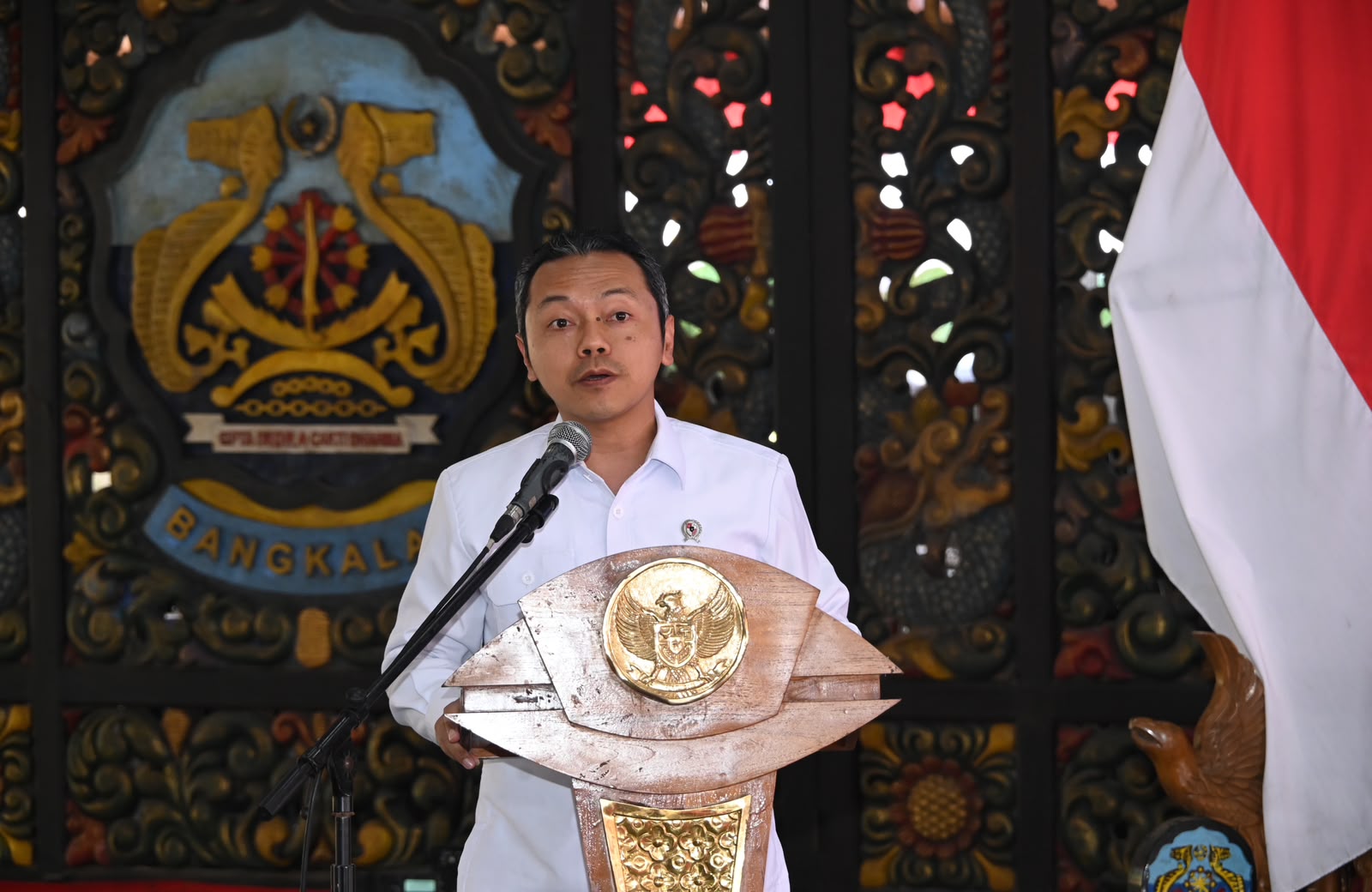
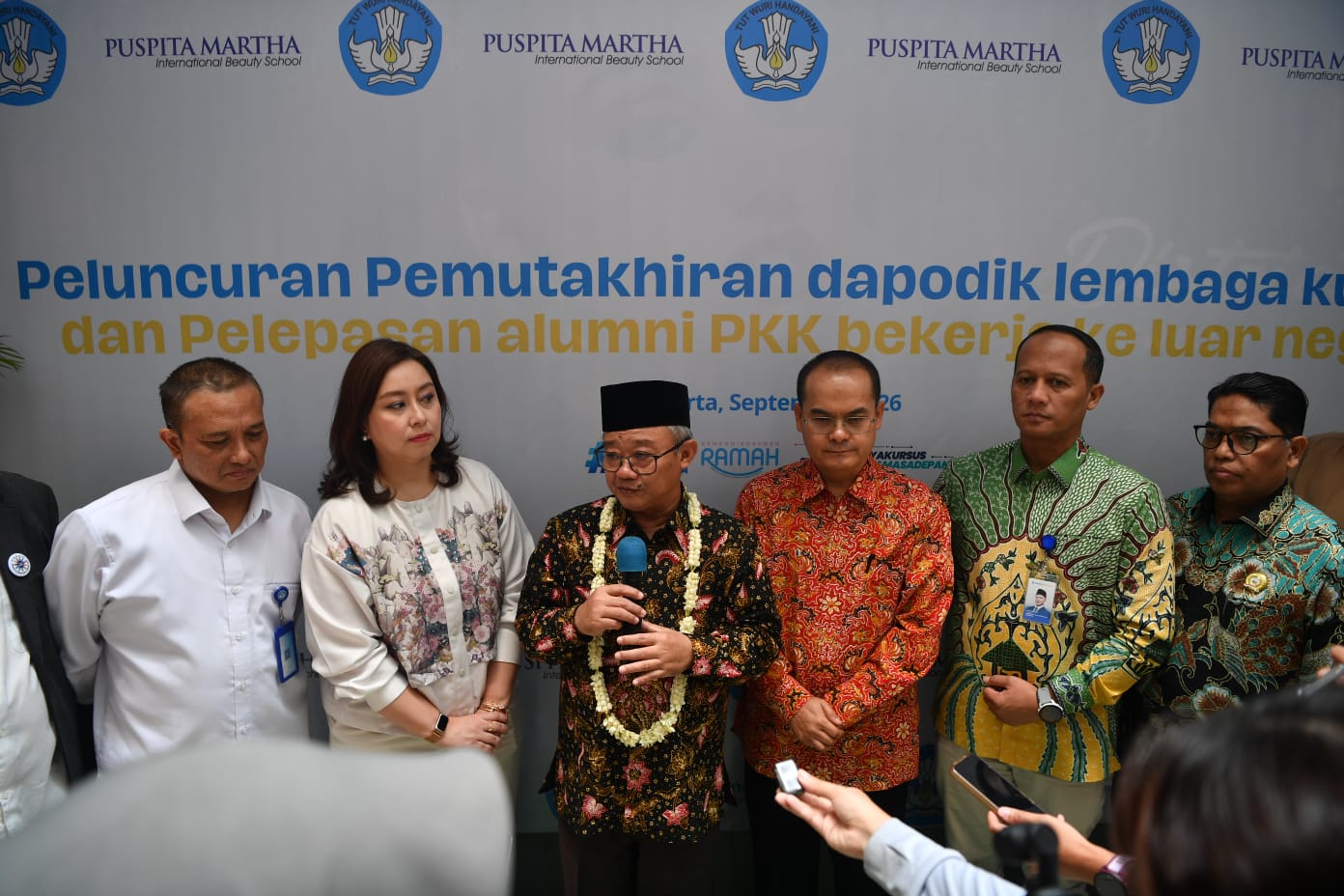
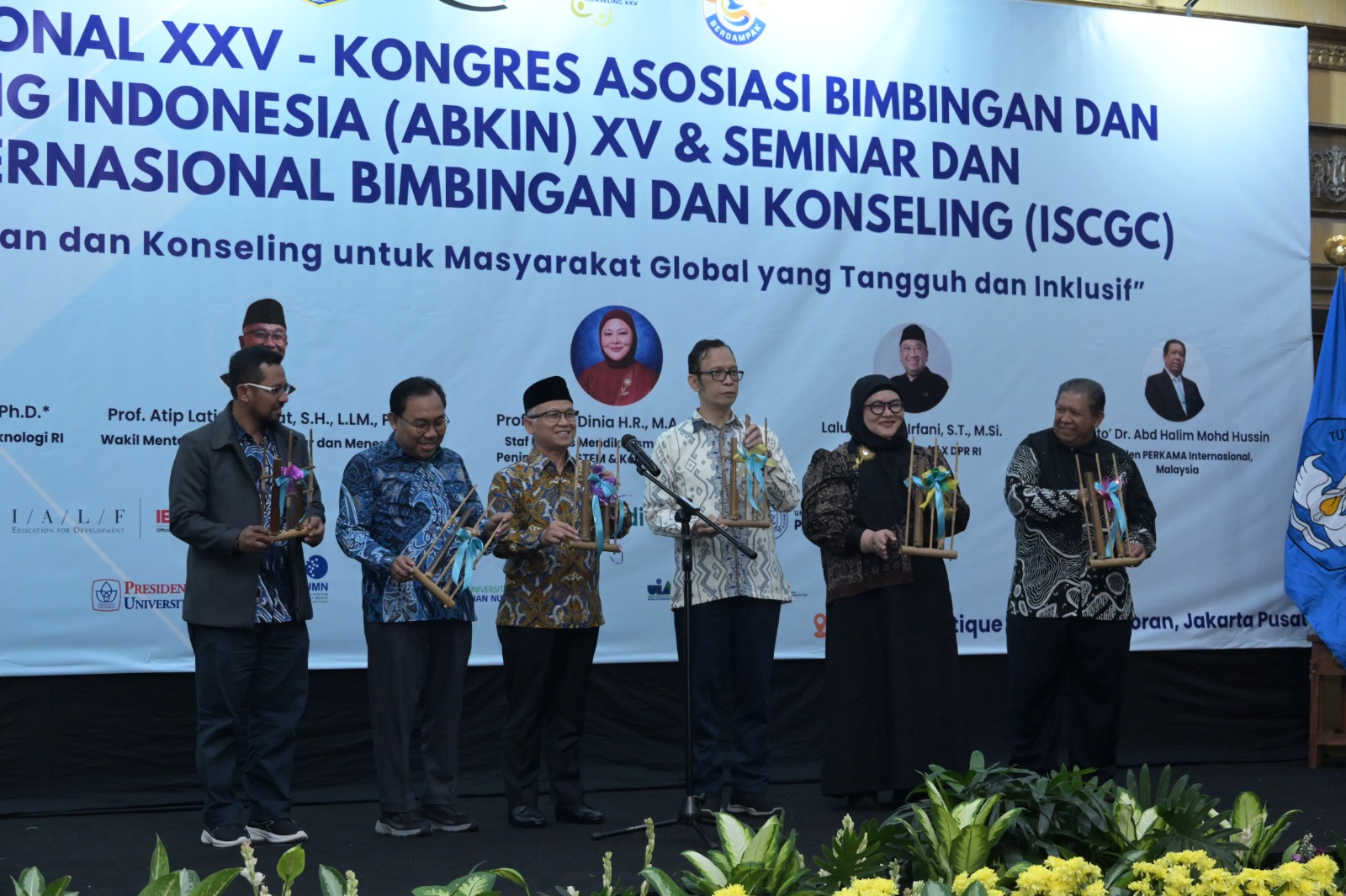
This statement was delivered by the Deputy Minister of Primary and Secondary Education (Wamendikdasmen), Atip Latipulhayat, at the opening of the 25th National Convention, the 15th Congress of the Indonesian Guidance and Counseling Association (ABKIN), and the International Seminar and Conference on Guidance and Counseling (ISCGC) which took place in Jakarta, Wednesday (16/9).
"BK services should no longer be trapped in the old paradigm of being 'school police' or a place to punish misbehaving children. The direction of BK policy is shifting from a curative-administrative approach to a comprehensive, transformative model that doesn't wait for problems to arise but instead builds a proactive, data-driven student development ecosystem," said Deputy Minister Atip.
Deputy Minister Atip emphasized that the dynamics of digital disruption, achievement pressure, gadget addiction, identity crises, cyberbullying, and the complexity of career choices demand the role of guidance and counseling teachers as development facilitators, coaches , and advocates. According to him, this transformative guidance and counseling service rests on four main pillars: developmental (age-appropriate), comprehensive, systemic, and transformative justice .

To strengthen the legal basis for these services, the Ministry of Education and Culture is currently reconceptualizing Ministerial Regulation (Permendikbud) Number 111 of 2014 concerning Guidance and Counseling in Primary and Secondary Education to make it responsive to current challenges. Furthermore, the government is working to address the gap in meeting the ideal ratio of guidance and counseling teachers.
On the same occasion, Maila Dinia Husni Rahiem, Special Staff to the Minister of Primary and Secondary Education (SKM) for the Improvement of Science, Technology, Engineering, and Mathematics (STEM) and Teacher Competence, explained the ministry's steps in developing teacher competency in providing guidance and counseling services through a program to prepare 270,000 counselors through the "Seven Great Guidance and Counseling Moves" training module. This program, which utilizes a Learning Management System (LMS), equips both guidance and counseling teachers with basic competencies in psychosocial and character guidance for students.

"The goal isn't to transform all teachers into professional guidance counselors, but rather to equip every educator with basic counseling skills to identify potential, manage emotions, foster resilience, and build empathetic communication. The ministry is also strengthening the role of homeroom teachers, based on Minister of Education and Culture Regulation No. 11 of 2025 concerning teacher workload, where two hours of face-to-face teaching can be allocated for in-depth guidance to students," Maila explained.
Meanwhile, the Chairman of the ABKIN Executive Board, Moh. Farozin, stated that guidance and counseling are an integral part of education, aiming to facilitate the holistic and optimal development of students. He stated that guidance and counseling services are not only intended for students experiencing difficulties but also serve a preventive, developmental, and maintenance function. Farozin also emphasized the importance of ensuring the number of professional guidance and counseling teachers, with a ratio of one counselor for every 150 students.

In line with this, the Vice Chancellor for Cooperation and Business at Jakarta State University (UNJ), Andi Hadianto, appreciated this cross-sector collaboration for producing concrete recommendations for strengthening the counseling profession at the national and global levels.
Through paradigm shifts, regulatory reforms, and strengthening educator capacity, the Ministry of Primary and Secondary Education is committed to positioning guidance and counseling as an educational element that supports the holistic development of students and creates a safe, comfortable, and joyful educational environment. *** (Author: Rany/Zahra Photographer: Rahman/Editor: Ririn)

Bureau of Communication and Public Relations
Secretariat General
Ministry of Primary and Secondary Education
Website: kemendikdasmen.go.id
X: x.com/Kemdikdasmen
Instagram: instagram.com/kemendikdasmen
Facebook: facebook.com/kemendikdasmen
YouTube: Ministry of Education and Culture
Questions and Complaints: ult.kemendikdasmen.go.id
Press Release from the Ministry of Primary and Secondary Education: kemendikdasmen.go.id/pencarian/siaran-pers
#QualityEducationforAll
#MinistryOfEducationAndEducationFriendly