



Jakarta, July 31, 2023 - Developments in information and digital technology have had a significant impact on our daily lives. The way we live, work, and interact has undergone a major transformation due to these technological advancements. In this situation, it is crucial for all parties to recognize that new challenges will also emerge along with the opportunities that come. Therefore, the ability to face change wisely and proactively is needed to achieve maximum and optimal benefits from this rapid technological development by creating a healthy and positive digital environment.
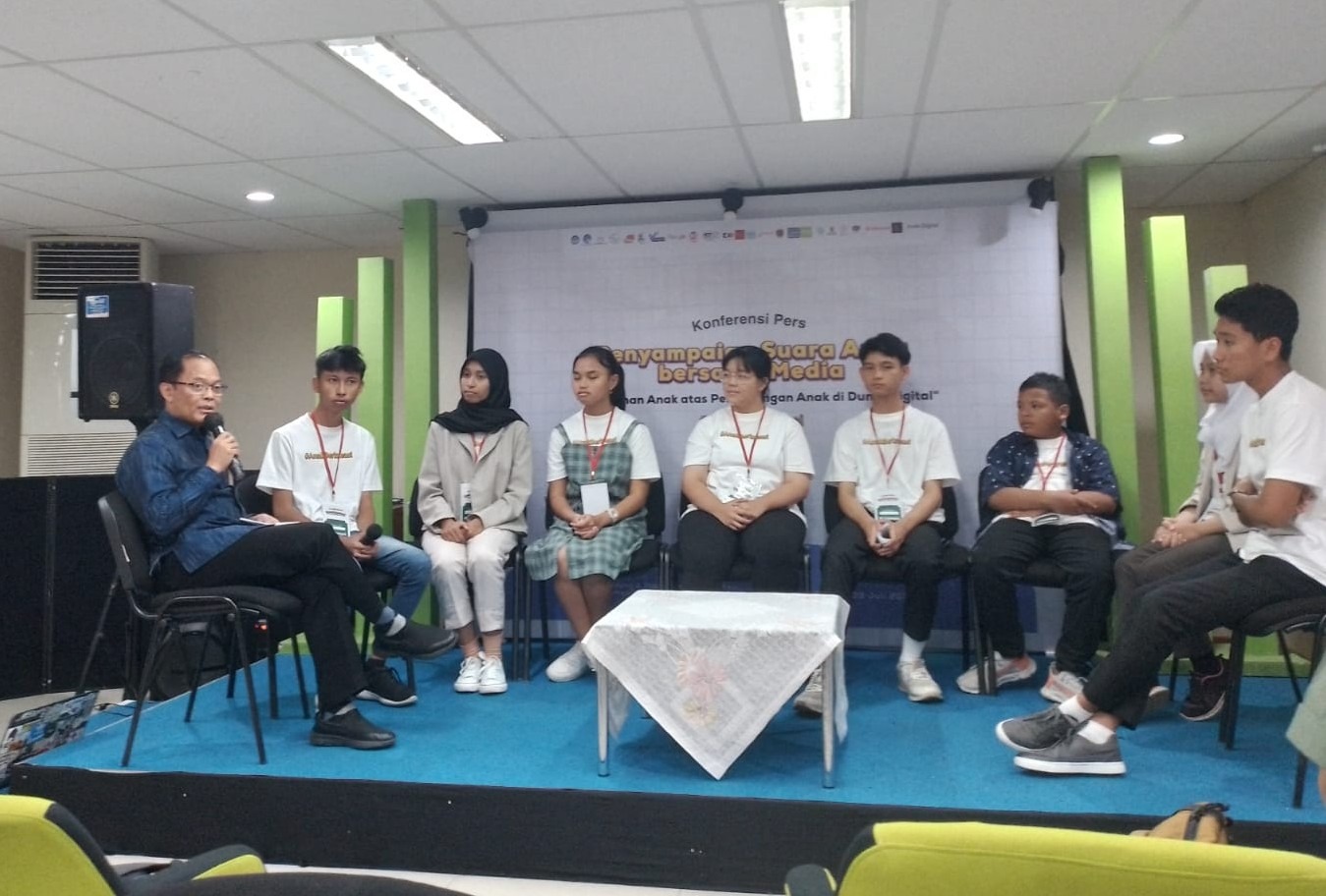
This was conveyed by the Secretary of the Language Development and Fostering Agency (Language Agency), Ministry of Education, Culture, Research, and Technology (Kemendikbudristek), Hafidz Muksin in his remarks and inauguration of the Digital Literacy Festival commemorating National Children's Day 2023 organized by SIBERKREASI in collaboration with Kemendikbudristek, Ministry of Women's Empowerment and Child Protection (KemenPPA), and Ministry of Communication and Information (Kemenkominfo), at Plaza Insan Berprestasi, Kemendikbudristek Office, Jakarta, on Saturday (28/7/2023).
Furthermore, he said that in this digital era, it is important to recognize that literacy is no longer limited to the ability to read and write. Hafidz said that literacy now also encompasses the ability to understand, filter, and intelligently present information in a digital environment. "Digital literacy is a crucial key to unlocking access to a limitless world of knowledge. By possessing strong digital literacy, individuals will be better able to face complex information challenges and thrive in an increasingly technologically advanced society," he said.
The Secretary of the Language Agency added that one of the key areas to focus on in facing this technological era is building a strong and inclusive digital literacy culture and skills for all Indonesian children. He believes digital literacy is key to ensuring Indonesian children can participate actively and safely in the digital world.
"By having good digital literacy, Indonesian children will be more skilled in using technology wisely, understand the risks that may arise, and be able to avoid misuse of technology," said Hafidz.
On the same occasion, Woro Srihastuti Sulistyaningrum, Deputy for Coordination of Children, Women, and Youth Quality Improvement at the Coordinating Ministry for Human Development and Culture (Kemenko PMK), stated that the large number of children and adolescents using the internet necessitates an understanding of digital literacy. "Attention to child protection through digital literacy for children and adolescents is crucial," she explained.
According to data from the Ministry of Communication and Information Technology, Indonesia's digital literacy rate continues to rise. Indonesia managed to increase 0.05 points from 3.49 in 2021 to 3.54 in 2022. However, this high rate of internet use among children has unfortunately not been accompanied by an increase in their reading habit (TGM).
According to 2021 data, people aged 25 and over (working class) have an average reading preference of over 60 points, compared to those under 25 (students and university students), whose TGM scores are less than 60 points. The TGM score trend continues to increase with age.
This can be seen from the paradox between high internet usage and low reading interest, which ultimately leads to the potential for children to be exposed to negative content or less productive internet use, resulting in wasted time and resources.
"We need a serious effort to foster a love of reading in children, making it a fun activity and enhancing their digital literacy. This way, children will become smarter and wiser in using digital technology, including when connected to the internet," concluded Lisa. (Hafidz Muksin, Editor: Denty/Seno)