



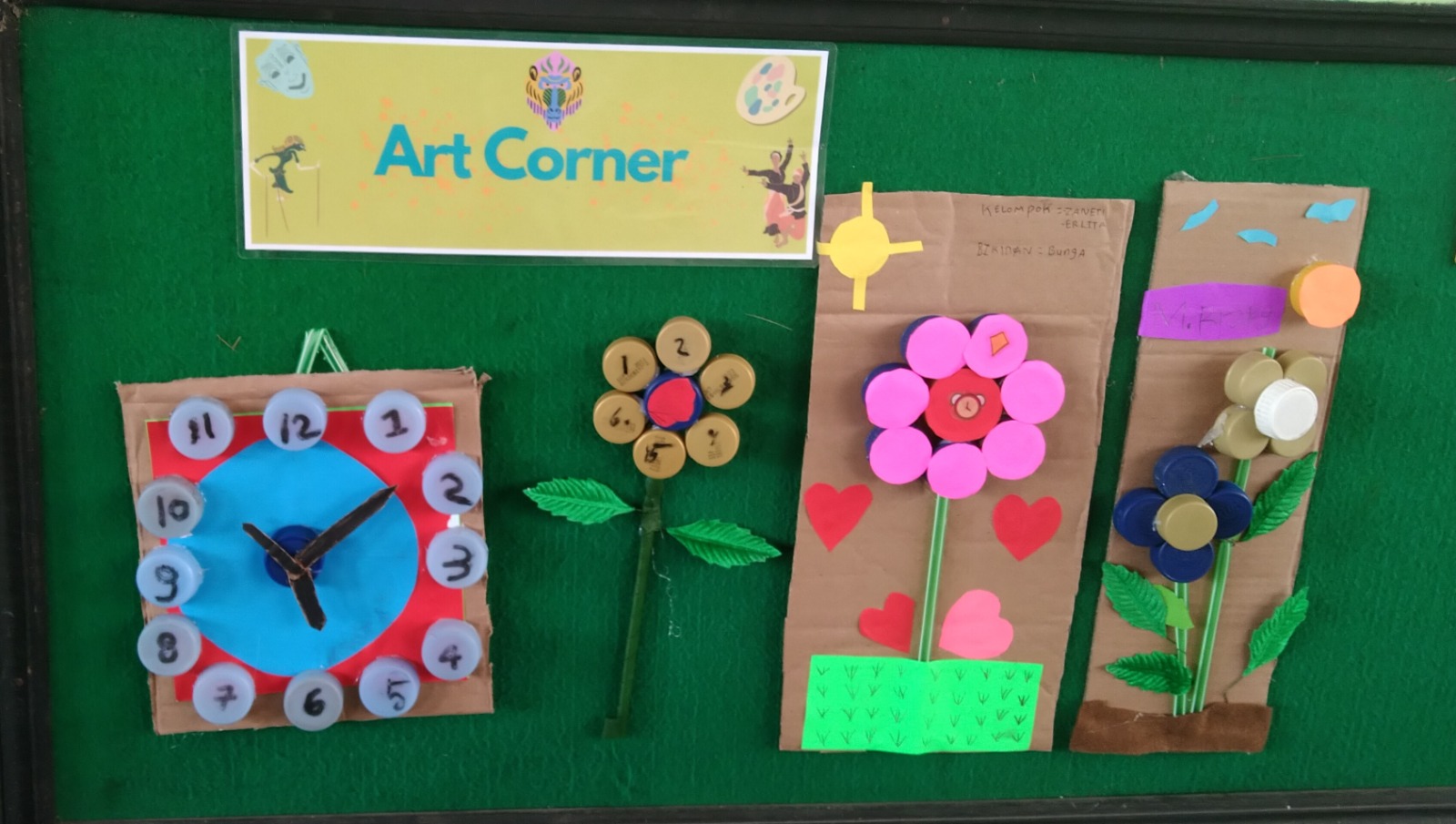
Cirebon, West Java, September 29, 2026 – Used plastic bottles, usually discarded, have become a learning tool for students at Kedungjaya 1 Public Elementary School in Cirebon Regency, West Java. In the students' hands, bottle caps can become works of art, while used bottles are processed into useful objects. This practice is part of the Science, Technology, Engineering , and Mathematics (STEM)-based learning at Kedungjaya 1 Public Elementary School on Monday (September 28).
Linda Irawati, a fifth-grade teacher at Kedungjaya 1 Public Elementary School, explained that STEM learning in the classroom starts with objects and issues relevant to the students' lives. She encouraged them to collect used bottles and then repurpose them into various creations.

"Our children asked us to collect used bottles for recycling. From these bottles and bottle caps, they can make clocks, paintings, and various other creations," said Linda.
According to Linda, practical activities make students more enthusiastic about learning. They learn through the process of trying, making, and seeing the results firsthand. "They're very interested. Learning is like this, hands-on. So it's learning while playing, learning by doing ," she said.

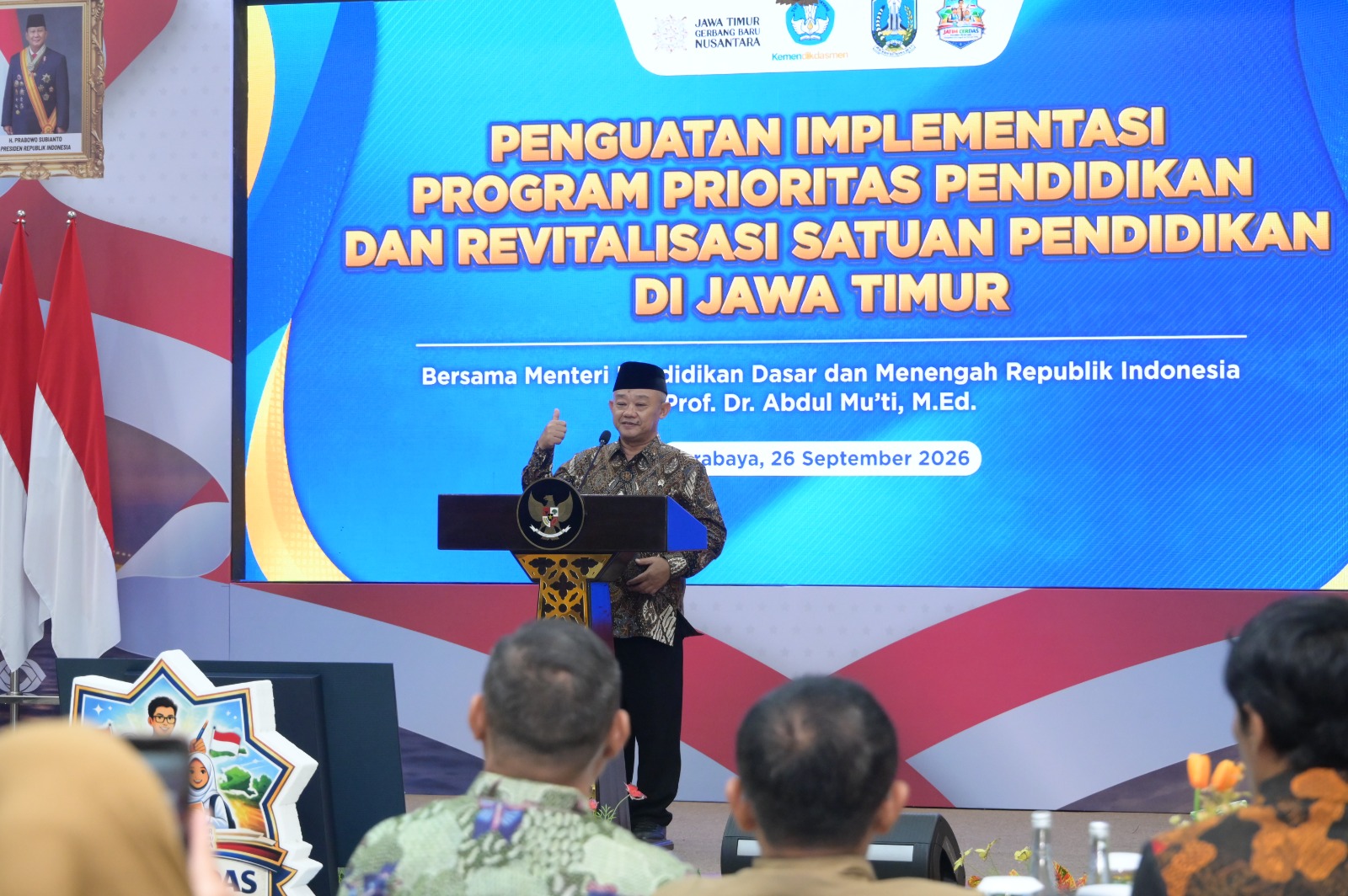
This practice aligns with the STEM strengthening initiative promoted by the Ministry of Primary and Secondary Education (Kemendikdasmen). At the recent launch of the National STEM Program, Minister of Primary and Secondary Education (Mendikdasmen), Abdul Mu'ti, emphasized that STEM learning does not rely on expensive laboratories. He stated that science can be introduced through the surrounding environment and everyday life.
"I want to foster a love and ability for technology from an early age, so the myth that science is difficult and expensive must be changed," said Mu'ti.
He added that STEM does not always have to be in a sophisticated laboratory and learning can start from a child's daily life.

For students at Kedungjaya 1 Elementary School, the concept comes in simple forms: observing objects around them, processing used materials, working with their hands, and then discovering something new. Through these experiences, STEM emerges as a learning method that connects knowledge to real life. Students not only understand concepts, but also learn to observe, experiment, create, collaborate, and find solutions from their immediate environment. This practice demonstrates that STEM learning can be implemented by utilizing the resources available around the students.*** (Author: Denty / Editor: Rany, Seno)
Bureau of Communication and Public Relations
Secretariat General
Ministry of Primary and Secondary Education
Website: kemendikdasmen.go.id
X: x.com/Kemdikdasmen
Instagram: instagram.com/kemendikdasmen
Facebook: facebook.com/kemendikdasmen
YouTube: Ministry of Education and Culture
Questions and Complaints: ult.kemendikdasmen.go.id
Press Release from the Ministry of Education and Culture: kemendikdasmen.go.id/pencarian/siaran-pers
#QualityEducationforAll
#MinistryofEducationAndEducationFriendly