



Bogor, West Java, September 25, 2026 – Attention to the education of Papuan children extends beyond access to schooling, but also beyond ensuring they grow independently and develop their potential. This was the focus of the Deputy Minister of Primary and Secondary Education (Wamendikdasmen), Fajar Riza Ul Haq, during a visit to the Indonesian Children's School (SAI) in Sentul, Bogor Regency, West Java, on Thursday (September 24).
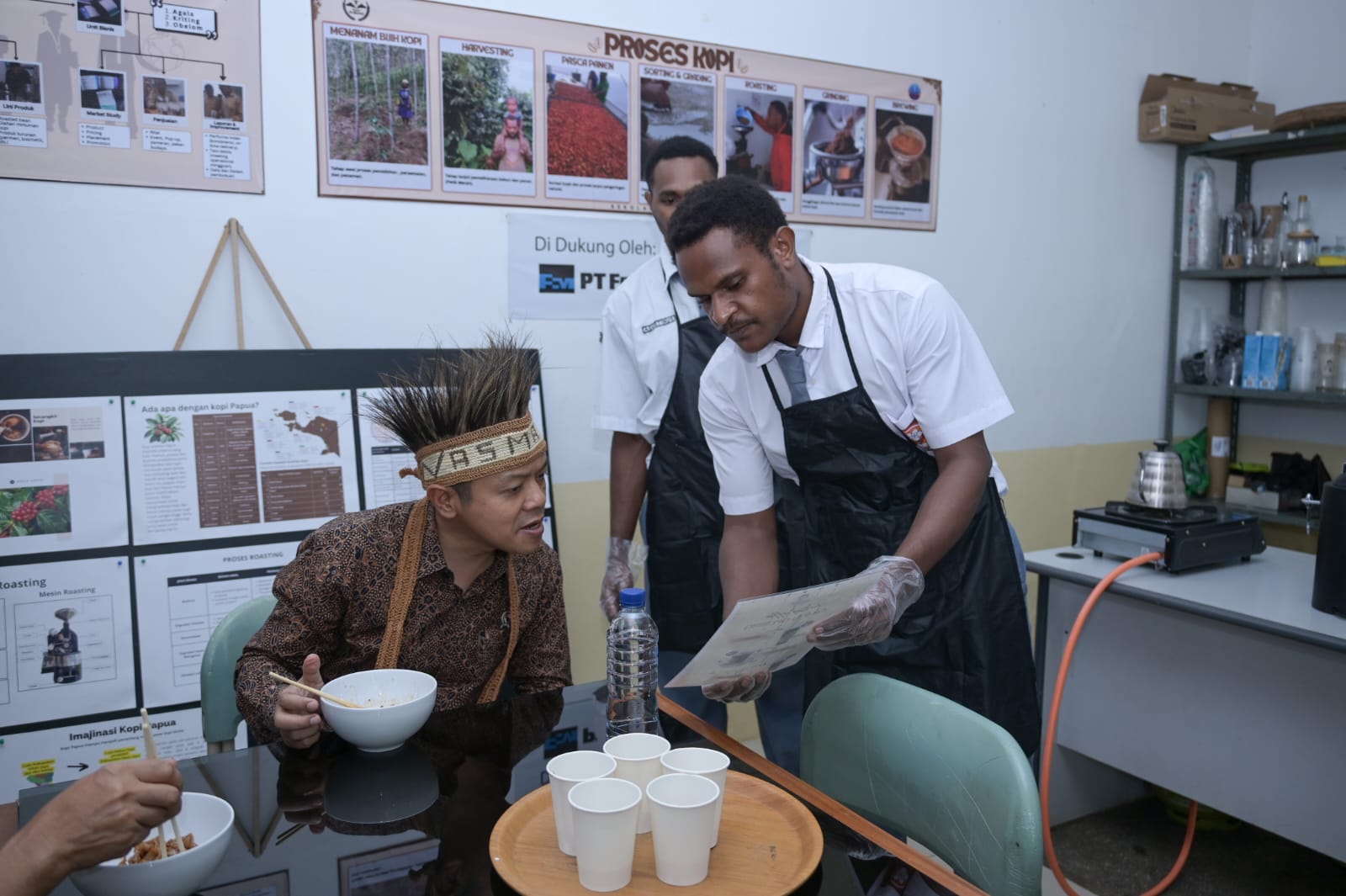
During his visit, Deputy Minister Fajar observed the learning process firsthand and interacted with the students. He noted that SAI is unique because the majority of its students are Papuan children and its learning model connects education with the environment and children's potential.

"We're currently looking at schools with unique characteristics. The majority of the students are Papuan, and the learning model is also very unique," said Deputy Minister of Primary and Secondary Education Fajar in Bogor (September 24).
At that event, Deputy Minister Fajar assessed that SAI's implementation through In-Depth Learning was able to foster a learning process that was close to the students' lives. Children not only received knowledge but also directly experienced the learning process, understood the context around them, and connected what they learned to real life.
He believes these learning experiences are crucial to ensuring that education is inseparable from the students' environment and potential. He also commended schools for developing technology to strengthen children's independence in entrepreneurship, linking it to their environment.
"I'm delighted to be able to visit a model school that humanizes education and connects it to the natural world. Furthermore, SAI can be an alternative learning model that provides space for children to develop holistically," explained Deputy Minister Fajar.

This view aligns with the learning objectives developed by SAI. The principal of SAI High School, Yanto Sutrisno Saragih, stated that all of his students come from Papua, including Intan Jaya, Nabire, and Dogiyai Regencies. He explained that the educational process at SAI is designed to ensure students not only gain knowledge but also recognize their identity, potential, and the roles they can play in their home regions.
"This aligns with our vision of empowering the nation's children to love and own their region. Our hope is that when they study here and progress to college, they'll begin to discover their true selves, become clearer about their aspirations, and have a sense of purpose," said Yanto.
Yanto added that contextual learning is crucial in preparing students to understand the environment and realities they will face after completing their education. Furthermore, Yanto hopes his students will become agents of change in their hometowns.
One change that's starting to become apparent is how children view the future. Yanto explained that when they first arrived at the school, some students aspired to become employees because their career options were limited. However, their experience at SAI has helped them see more opportunities.

"The training we've provided has inspired them to become entrepreneurs. Here, they have a wealth of resources and see many opportunities to exploit," said Yanto.
In addition to greeting the students in class, Deputy Minister Fajar also observed the students making cookies, which they named Usua Ena, using cassava as the main ingredient. This activity serves as an example of learning that connects students with their environment. The children learned to process locally available materials into products, while also learning about processes that can develop skills and an entrepreneurial spirit.
Learning practices at SAI demonstrate the importance of providing educational services that address the diverse backgrounds and potential of students, including Papuan children. Through contextual learning, children are expected to not only be equipped to continue their education but also grow with clear goals, be independent, and be ready to contribute to their home region.*** ( Writer: Ririn / Editor: Destian, Photographer: Laili)
Bureau of Communication and Public Relations
Secretariat General
Ministry of Primary and Secondary Education
Website: kemendikdasmen.go.id
X: x.com/Kemdikdasmen
Instagram: instagram.com/kemendikdasmen
Facebook: facebook.com/kemendikdasmen
YouTube: Ministry of Education and Culture
Questions and Complaints: ult.kemendikdasmen.go.id
Press Release from the Ministry of Primary and Secondary Education: kemendikdasmen.go.id/pencarian/siaran-pers
#QualityEducationforAll
#MinistryOfEducationAndEducationFriendly