



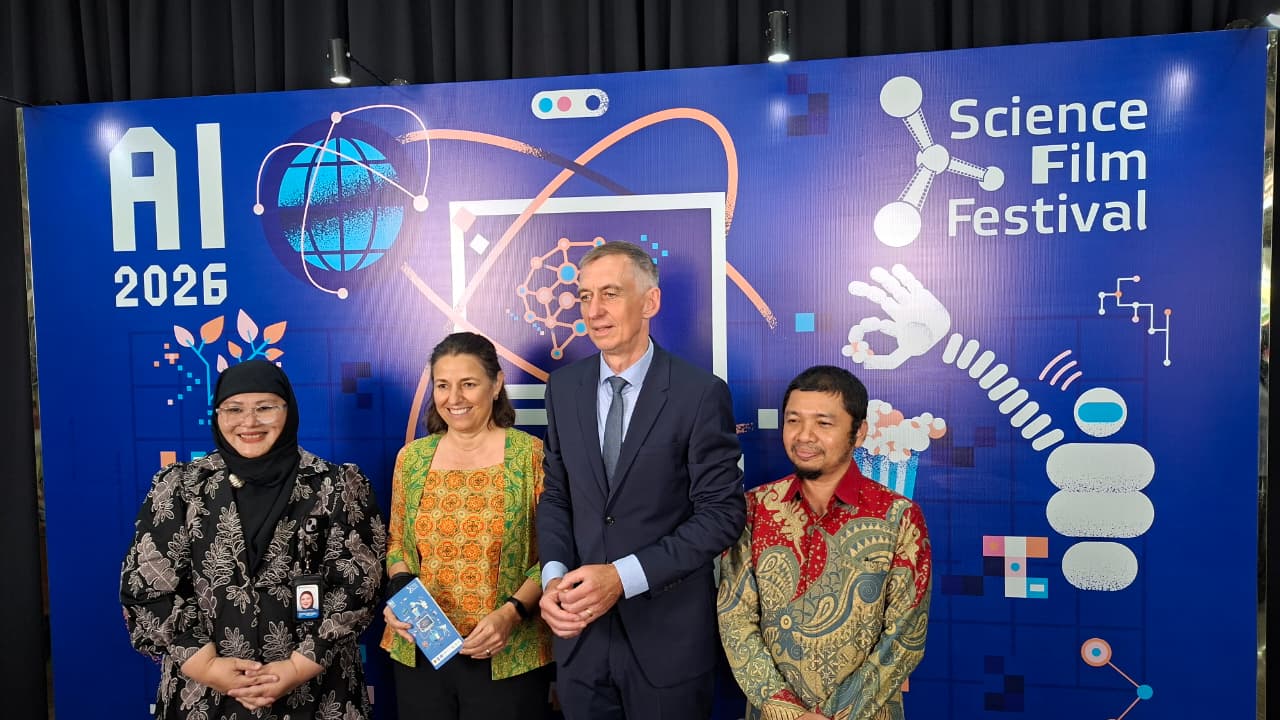
Jakarta, October 7, 2026 – The Ministry of Education and Secondary Education (Kemendikdasmen) encourages students to learn about artificial intelligence (AI) and utilize it wisely and responsibly through the holding of the Science Film Festival 2026. The festival, initiated by the Goethe-Institut, was officially opened in Jakarta, Tuesday (6/10).
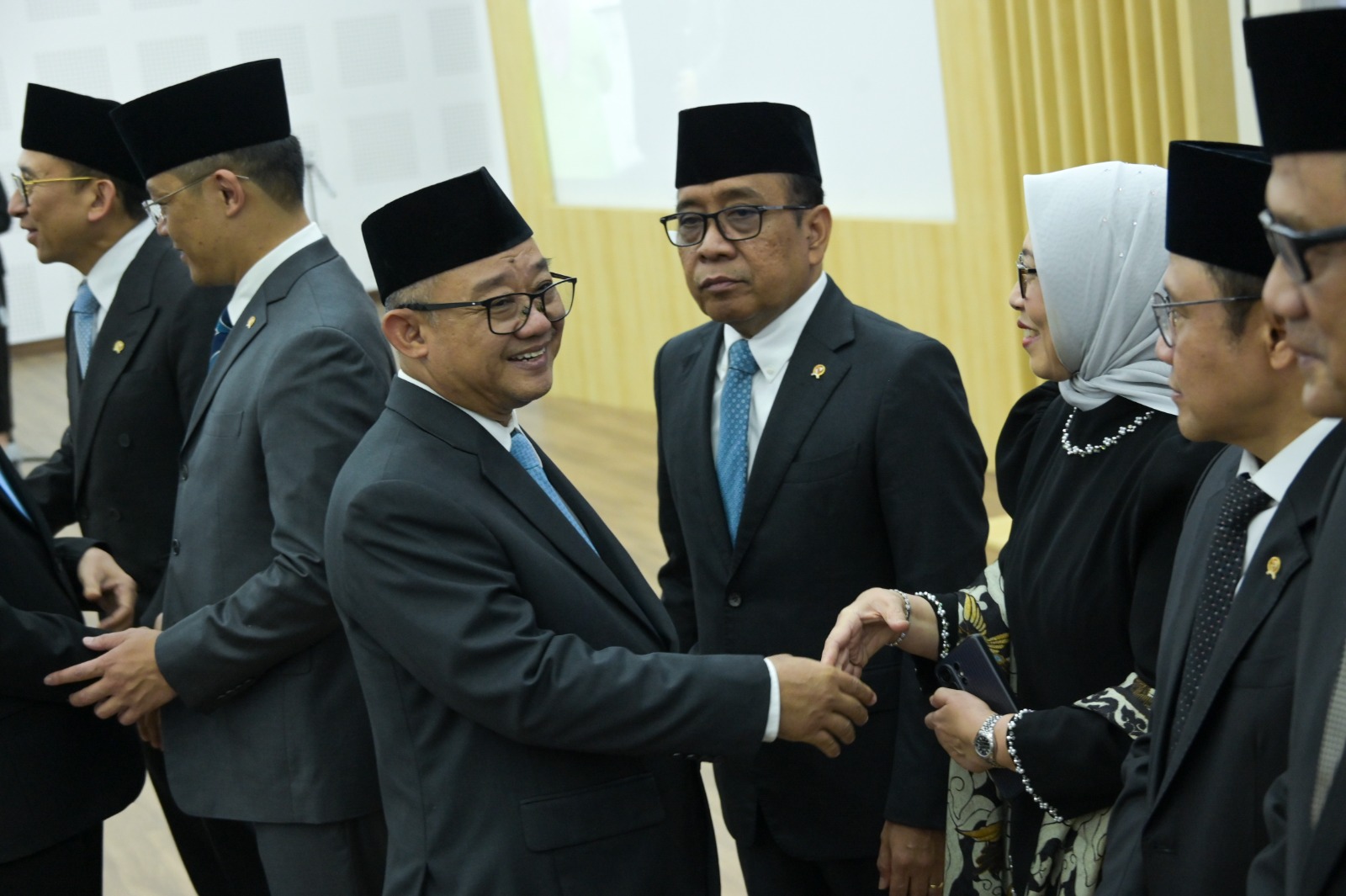
Special Staff to the Minister of Primary and Secondary Education for the Improvement of Science, Technology, Engineering, and Mathematics (STEM) and Teacher Competence, Maila Dinia Husni Rahiem, who brought greetings from the Minister of Primary and Secondary Education Abdul Mu'ti, said that the Science Film Festival is relevant to the National STEM Program "Dare to Try, Creative to Create" developed by the Ministry of Education and Culture. According to her, the films and experiments in the festival can provide creative ideas for students to try and develop the things they see during the activities. "So this is an activity that I think is open or sparkling, from the brilliant ideas of Indonesian children," she said.
Maila explained that through the STEM approach, teachers are encouraged to connect learning to real-world problems so that students can investigate questions, conduct experiments, and design, test, and refine solutions. STEM learning in schools is also developed based on the 5M principles: easy, affordable, fun, mindful, and meaningful. She encouraged students to bring questions they had during the festival back to school to discuss with their friends, try out what they had learned, and share their findings. "Therefore, bring your questions with you during this festival, and then bring them back to school," she said.
Constanze Michel, Director of the Goethe-Institut for Southeast Asia, Australia, and New Zealand, explained that AI is increasingly impacting industry, the economy, education, and everyday life. This technology is also increasingly being used in science, environmental protection, and efforts to build a more sustainable world. However, these opportunities also come with challenges, including those related to data use, transparency, fairness, and the environmental impact of large-scale computing's energy requirements.

Constanze invites students to explore the uses of AI through films and festival activities, while also considering how the technology can be used responsibly to help address various global challenges.
The German Ambassador to Indonesia, Ralf Beste, also emphasized the importance of critical thinking when using AI. He noted that while the technology can help people communicate, learn, work, and navigate their daily lives, it can also misinform and be used for manipulation. Therefore, users need to be more critical of the information they receive and distinguish between what is real, fabricated, and manipulated. "We try to think. We try not to be naive. We think critically," Ambassador Ralf advised.
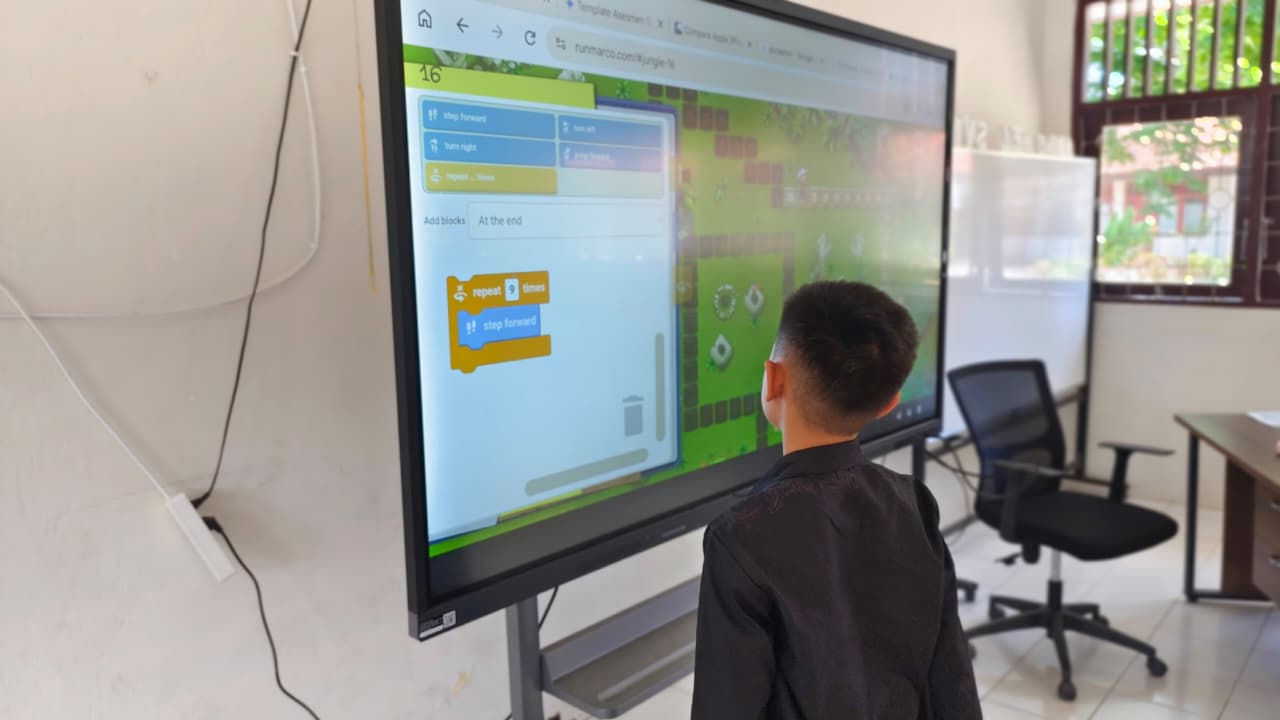
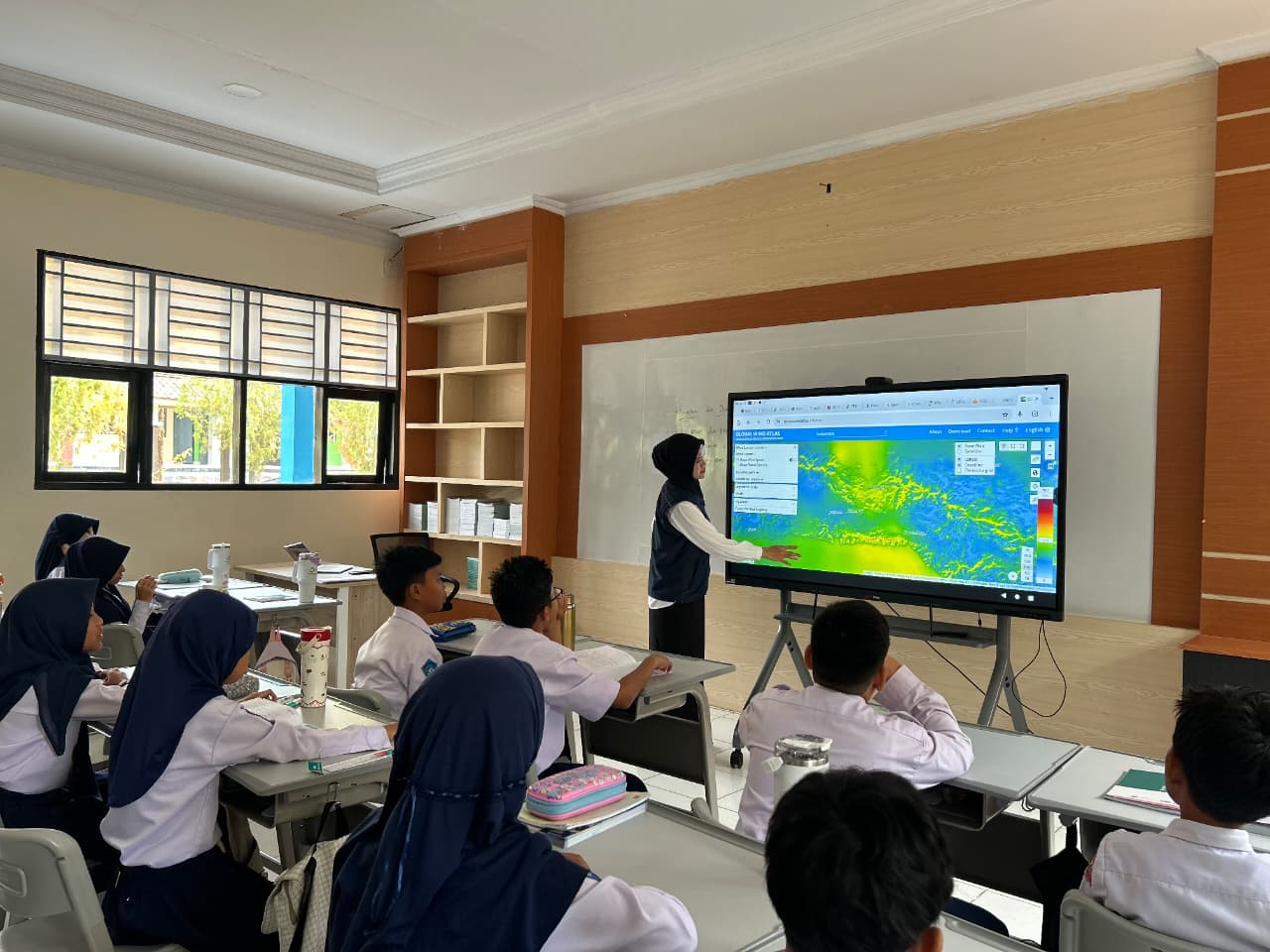
The 2026 Science Film Festival will be held for the 17th time in Indonesia. The festival will take place as a hybrid format from October 6 to November 14, 2026, and will reach students from elementary to high school levels in 70 districts/cities. This year, the festival will feature 20 science films from seven countries, along with various experiments that will encourage participants to learn science in a fun way.

One participant, Tubagus Muhammad Nazril Ardari, a student at Pandeglang State Senior High School 3, said he gained a lot of new information about AI after attending the festival. He learned more about how ChatGPT and other AI systems work, including their benefits and potential drawbacks. Nazril also said the experience made him wiser in using AI. "I learned a lot of new information, Sis, from watching that video," Nazril said enthusiastically.
Through the 2026 Science Film Festival, the Ministry of Elementary and Secondary Education, together with the Goethe-Institut and partners, hopes that students will develop greater curiosity, the courage to experiment, creativity, and critical thinking skills. Thus, the introduction of AI will not stop at understanding technology, but also encourage the younger generation to use technology responsibly and be able to critically evaluate the information they receive. . * ** (Author: Rany / Editor: Ririn )
Bureau of Communication and Public Relations
Secretariat General
Ministry of Primary and Secondary Education
Website: kemendikdasmen.go.id
X: x.com/Kemdikdasmen
Instagram: instagram.com/kemendikdasmen
Facebook: facebook.com/kemendikdasmen
YouTube: Ministry of Education and Culture
Questions and Complaints: ult.kemendikdasmen.go.id
Press Release from the Ministry of Primary and Secondary Education: kemendikdasmen.go.id/pencarian/siaran-pers
#QualityEducationforAll
#MinistryofEducationAndEducationFriendly