


Bone Bolango, Gorontalo, Ministry of Primary and Secondary Education - For seventh-grade students, building a simple wind power plant (PLTB) prototype isn't just a matter of producing a working device. There's a design to consider, components to install, testing to conduct, and problems to identify and fix.
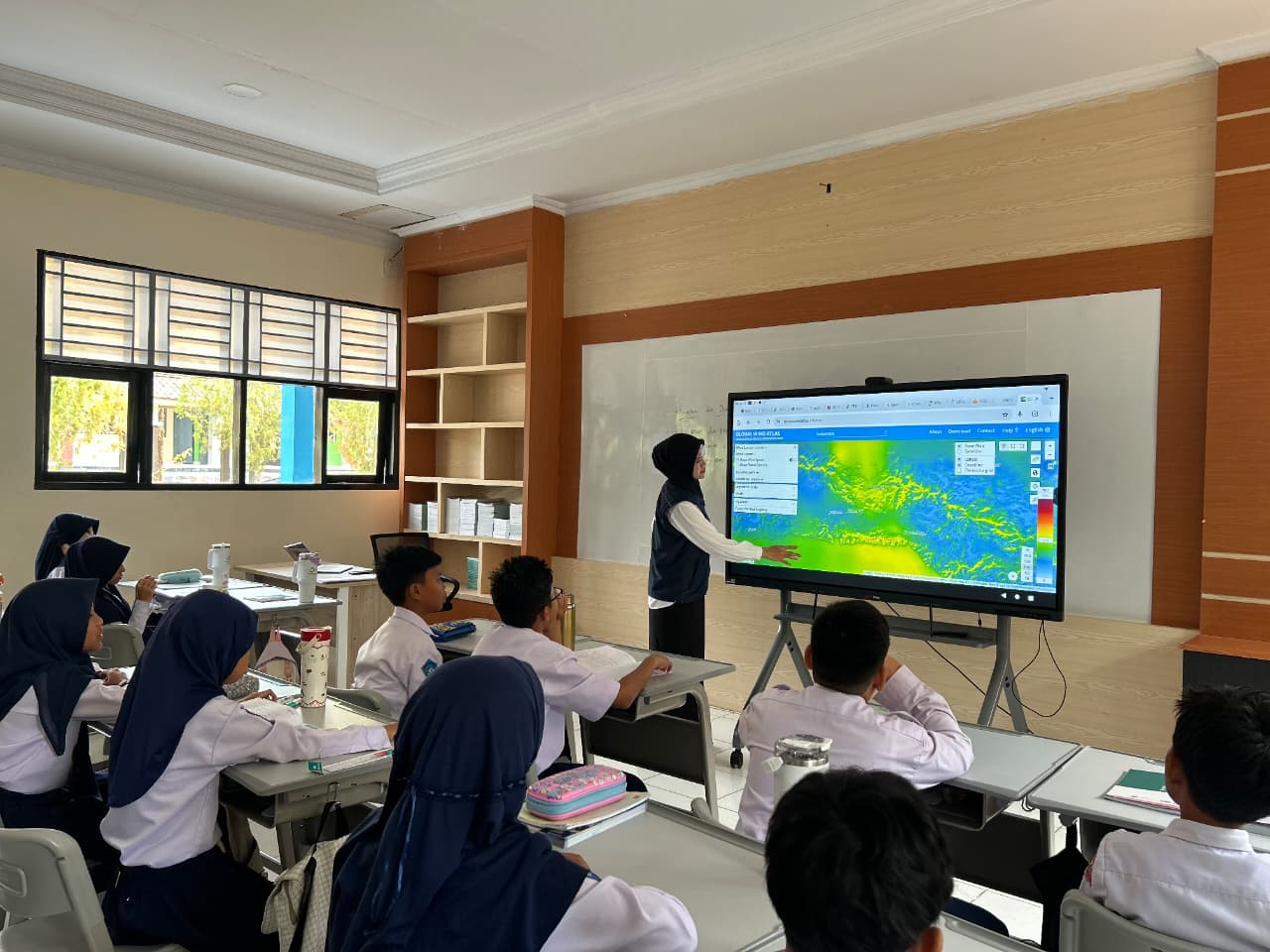
The process of trial and error, then retesting, is a crucial part of the STEM learning process implemented by Mila Karmila, a social studies teacher at SNT 6 Bone Bolango, Gorontalo Province. Through this project, students utilize the wind potential in Bone Bolango Regency to understand the relationship between regional conditions, natural resources, and energy needs. "The first step in STEM learning is determining the topic of the STEM project, by identifying real-world problems or potentials in the school environment that are relevant to students," said Mila.
Before creating prototypes, students were encouraged to understand the problem they were trying to solve. They discussed the wind potential in Bone Bolango and its relationship to energy needs. The teacher sparked curiosity by asking questions like, "Why can wind potential in a region be utilized as an energy source?" and "How can utilizing wind energy support community life while protecting the environment?"
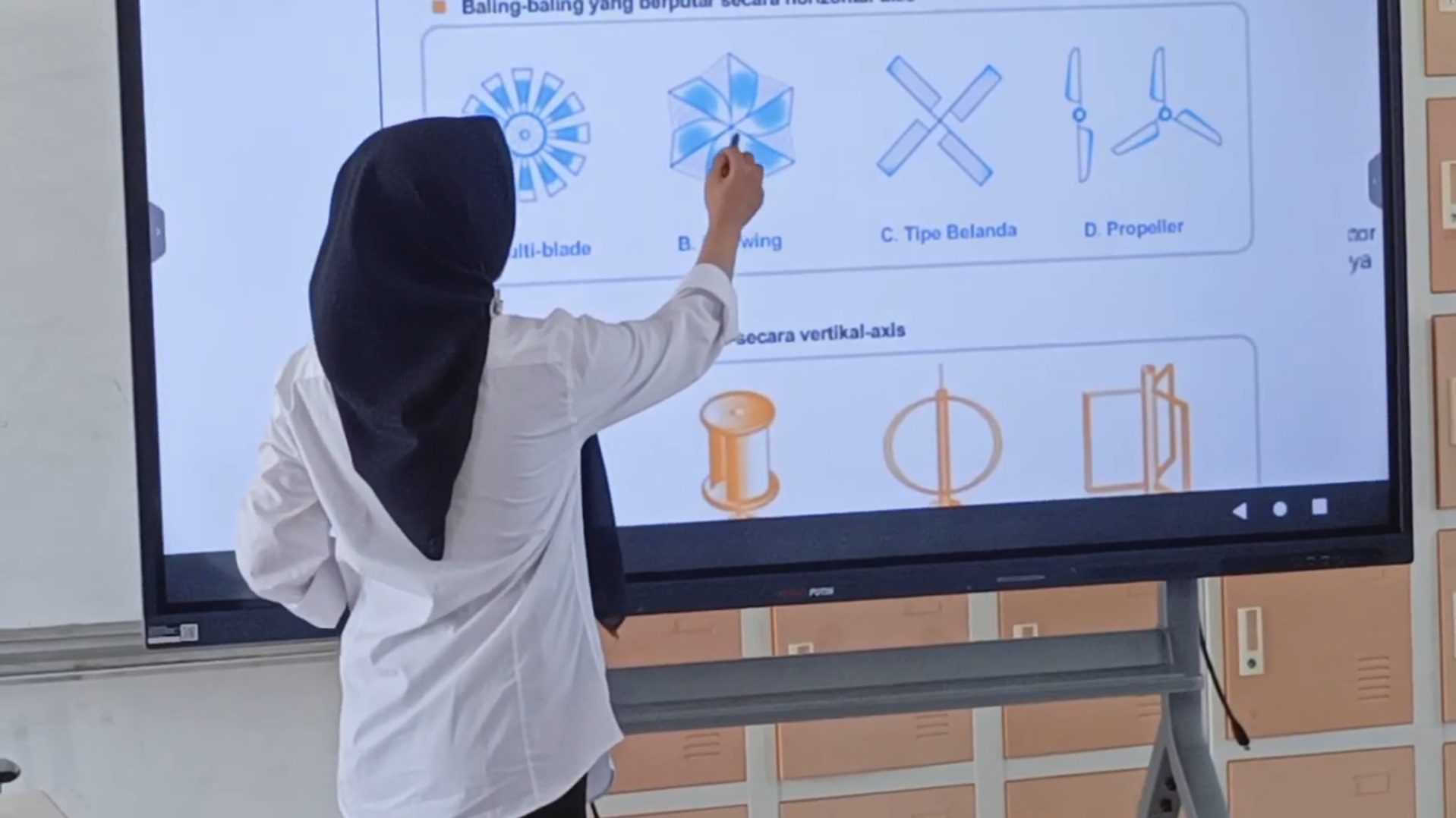
Starting with that question, the students began designing. They used a DC dynamo, propellers, cables, LED lights, a fan, and a multimeter. They studied the conversion of wind energy into kinetic and electrical energy, while also measuring the performance of the prototype. This is where the STEM process comes into play. Students don't stop after building the device. They test the design, collect data, identify parts that don't work optimally, and then improve them. The test results are presented in tables or graphs to help determine more effective designs.
According to Mila, "Students design, build, test, and improve PLTB prototypes based on test results so that the tool can work more effectively."

Meanwhile, for Salwa Nabila Aurora Antuli, a seventh-grade student, the process made learning feel different. "I find STEM learning enjoyable because I'm not just learning the material, but also being guided directly to create a project."
Salwa also found it beneficial when various subjects converged in one project. "The learning topics were connected across several subjects, so I had a new learning experience and improved focus. Furthermore, STEM taught me not only how to understand the material but also how to use that knowledge to solve problems," she said.
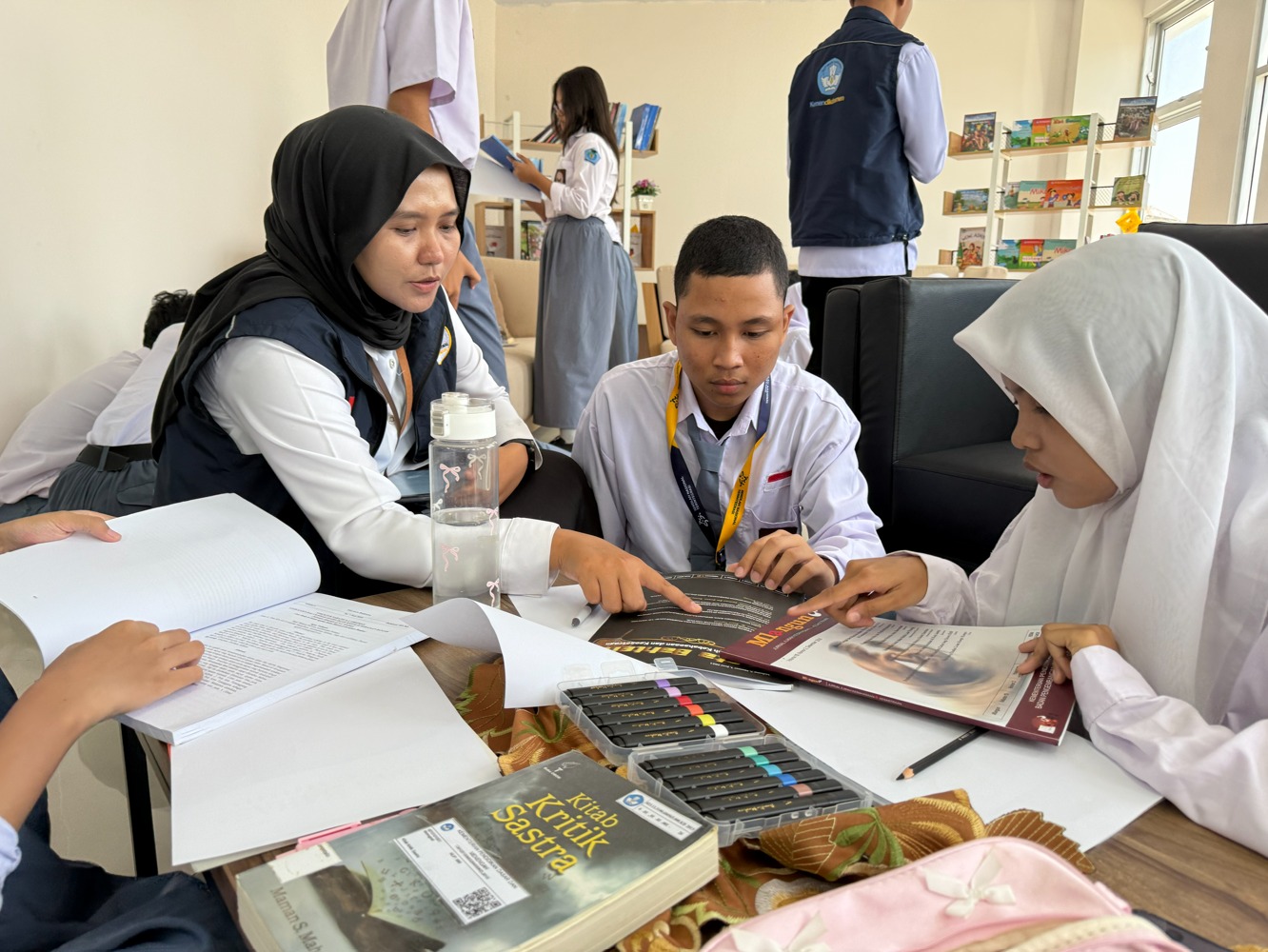
This process also fosters collaboration. Students work in groups with clearly defined roles to ensure each member is involved. They discuss, build understanding, design products, test results, and explain their findings.
Mila believes the process is just as important as the final product. "In STEM learning, assessment doesn't just focus on the final result or the ability to answer questions, but also on the process students go through while completing the project."
Assessments include prototype functional accuracy, design creativity, data utilization, problem-solving skills, and the ability to explain results. Group presentations also provide a platform for students to communicate their project journeys. Beyond the project itself, teachers also face challenges. Differences in schedules and learning outcomes between subjects can make it difficult for students to connect concepts if learning is too far apart.
Therefore, the teachers chose to sit together. "The practice or strategy we implemented was to sit in one forum to coordinate and map the CP and ATP for each subject to ensure they were synchronized," explained Mila.
Ultimately, the value of this project lies not only in whether the LED lights up. Equally important, the students experienced firsthand that a solution doesn't always come on the first try. They learned that even when a design doesn't work, there's still time to read the data, find the problem, refine the design, and try again. (Author: Denty/Documentation: SNT 6 Bone Bolango Team)
Bureau of Communication and Public Relations
Secretariat General
Ministry of Primary and Secondary Education
Website: kemendikdasmen.go.id
X: x.com/Kemdikdasmen
Instagram: instagram.com/kemendikdasmen
Facebook: facebook.com/kemendikdasmen
YouTube: Ministry of Education and Culture
Questions and Complaints: ult.kemendikdasmen.go.id
Press Release from the Ministry of Primary and Secondary Education: kemendikdasmen.go.id/pencarian/siaran-pers
#QualityEducationforAll
#MinistryOfEducationAndEducationFriendly