



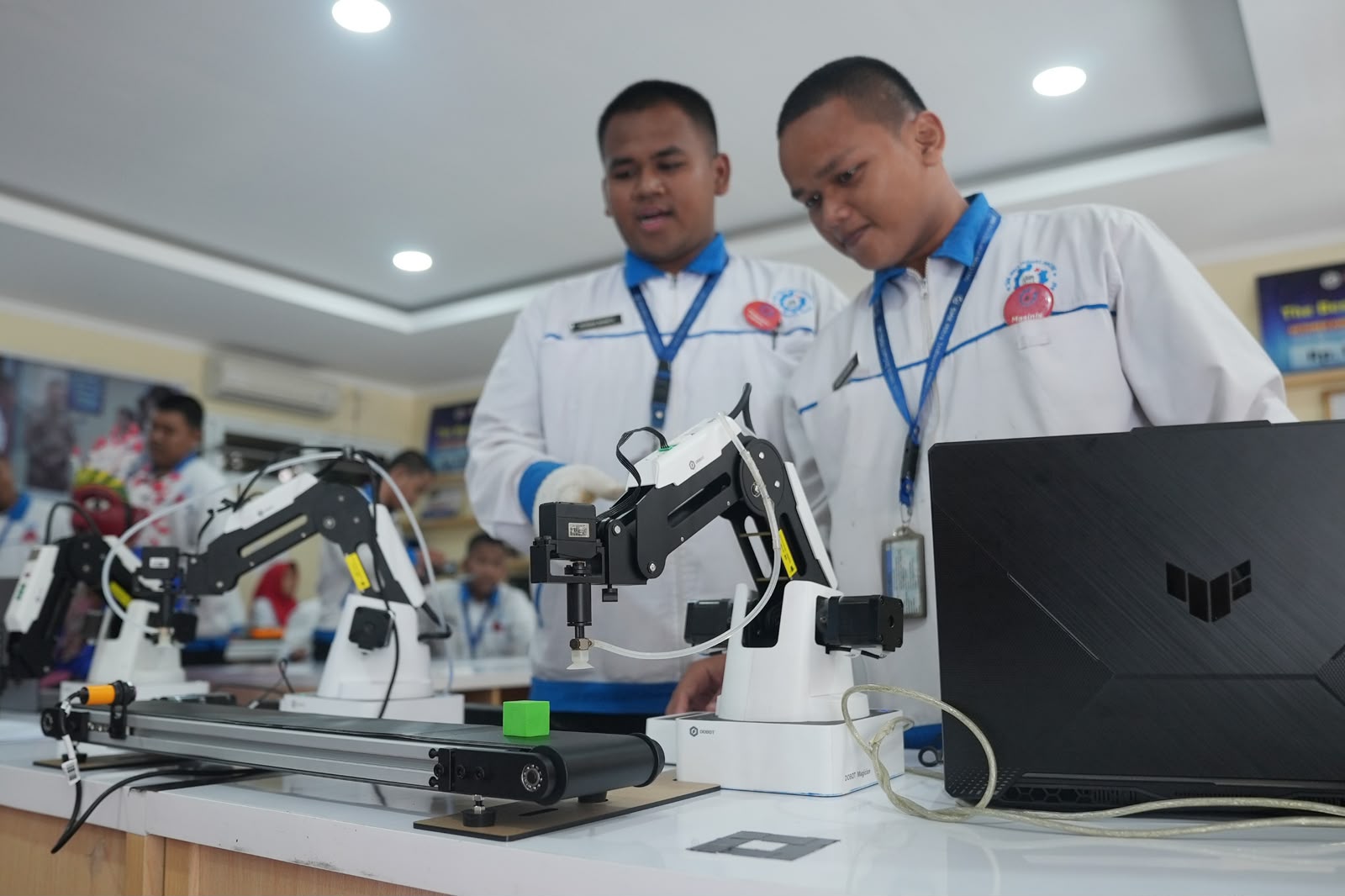
Jakarta, July 19, 2026 – The Ministry of Primary and Secondary Education (Kemendikdasmen), through the Directorate of Vocational High Schools (SMK), is encouraging vocational school graduates to be prepared to meet the needs of an increasingly digitalized workforce. One effort is expanding career opportunities in robotics, which is increasingly needed across various industrial sectors.
The Director of Vocational High Schools (SMK) at the Ministry of Education and Culture, Arie Wibowo, stated that robotics is no longer a technology of the future, but has become part of current industrial operations. He believes this development presents a variety of new job opportunities for vocational high school graduates.
"Robotics has been used in various sectors, from manufacturing, logistics, automotive, food and beverage, electronics, and warehousing. The need for workers has shifted from manual work to jobs that require the ability to operate, maintain, and develop automated systems," Arie said in the webinar "Creating the Future: Robotics as a Career Opportunity for Vocational High School Students" in Jakarta.

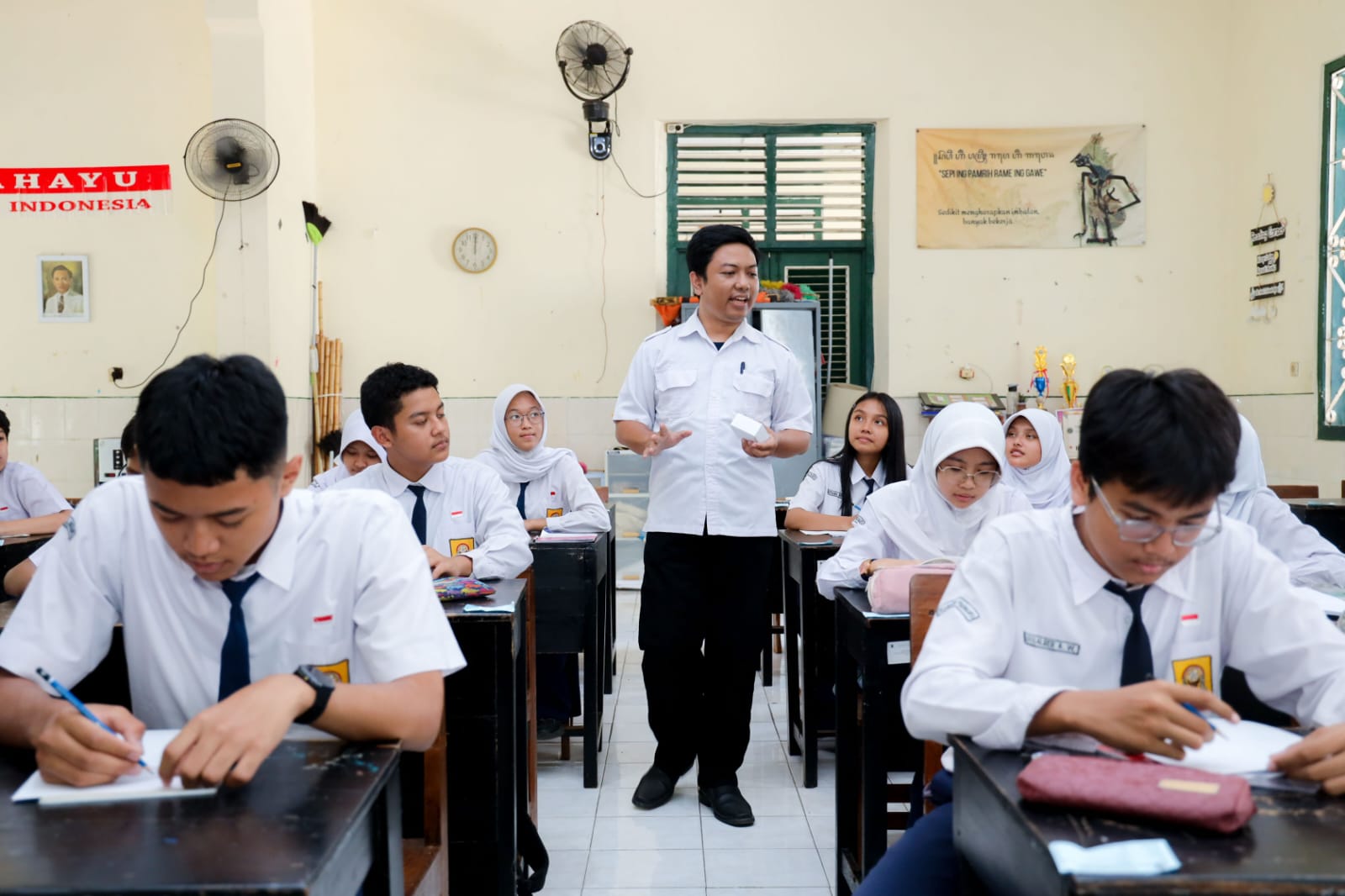
Arie explained that vocational schools (SMK) already have a strong competency foundation through various concentrations of expertise, such as Mechatronics Engineering, Industrial Electronics Engineering, Industrial Automation Engineering, Machining Engineering, Electrical Power Installation Engineering, Software Engineering (RPL), and Computer and Network Engineering (TKJ). However, the challenges of today's workplace demand skills that no longer stand alone but rather combine various disciplines.
"This is the era of multi-skills. The competencies that vocational schools already possess need to be further strengthened to align with technological developments and industry needs," he said.
To support this, the Vocational High School Directorate is strengthening curriculum alignment with industry standards by improving the quality of learning, strengthening the competencies of teachers and education personnel, and improving facilities and infrastructure in vocational schools. Furthermore, collaboration with the business and industrial sectors is also being expanded through collaborative learning with practitioners and internship programs for vocational high school students and graduates in the field of robotics.
Arie acknowledged that challenges remain, particularly the unequal distribution of industry-standard robotics laboratories and equipment in vocational schools, as well as the need for more teachers with practical experience in the field. However, he is optimistic that these challenges can be overcome through ongoing collaboration.
"We believe that building a vocational education ecosystem is not just a program, but a collective movement. Vocational schools must be adaptive, industry must be collaborative, and the government must provide support. Robots will not replace all human jobs, but will instead create new jobs with higher added value, such as system integration, programming, robot maintenance, data analysis, and the development of automation-based solutions," Arie concluded.*** (Author & Documentation: Ministry of Primary and Secondary Education Team)

Bureau of Communication and Public Relations
Secretariat General
Ministry of Primary and Secondary Education
Website: kemendikdasmen.go.id
X: x.com/Kemdikdasmen
Instagram: instagram.com/kemendikdasmen
Facebook: facebook.com/kemendikdasmen
YouTube: Ministry of Education and Culture
Questions and Complaints: ult.kemendikdasmen.go.id
Press Release from the Ministry of Education and Culture: kemendikdasmen.go.id/pencarian/siaran-pers
#QualityEducationforAll
#MinistryOfEducationAndEducationFriendly