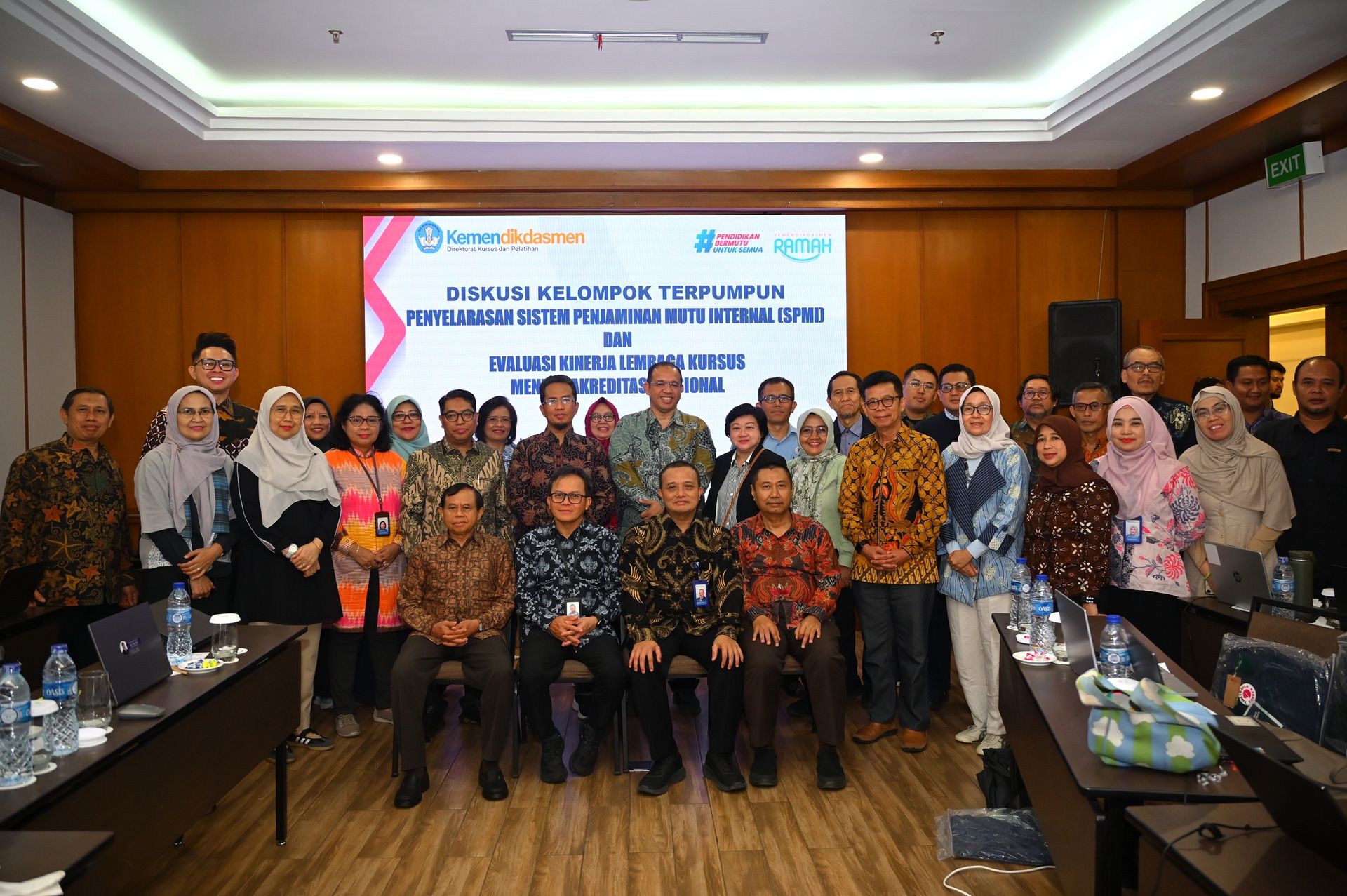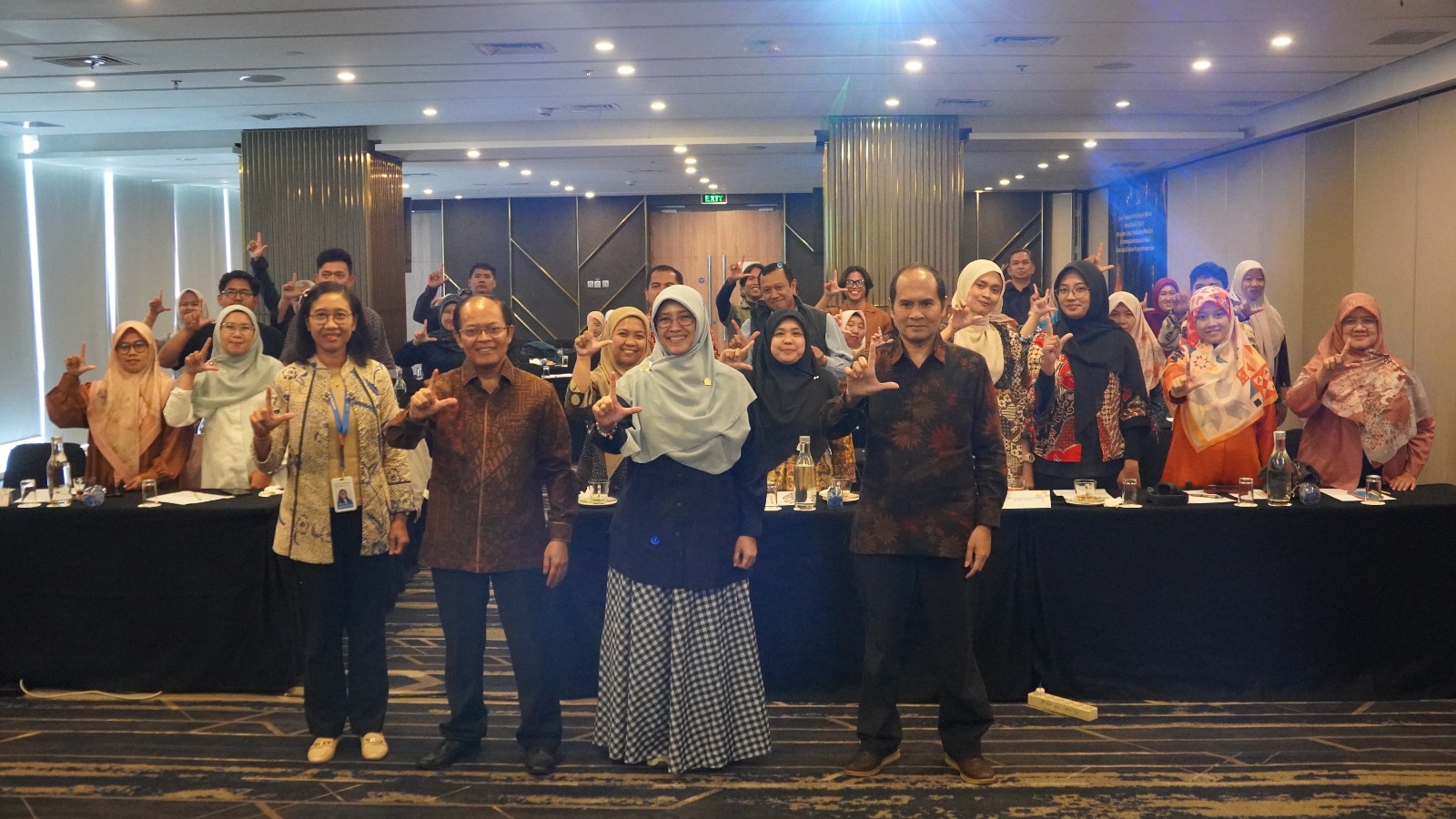




Jakarta, April 20, 2021 – To develop a Vocational High School (SMK) curriculum based on linkages and matches with industry, the Center for Curriculum and Textbooks (Puskurbuk), the Research and Development Agency (Balitbang) and Textbooks, Ministry of Education and Culture (Kemendikbud) invited 59 industries to conduct a review of the learning outcomes of the vocational high school curriculum. Some of the industries involved in this curriculum review include PT Waskita Karya, PT Astra International Tbk, ASPERINDO, PT IKI, PLN, PT Telkom, Djarum Foundation, and PT. Bank Muamalat Indonesia.
The Director General of Vocational Education (Dirjen Diksi) at the Ministry of Education and Culture, Wikan Sakarinto, emphasized that the vocational high school curriculum must be ready for industry intervention at any time. "This is the curriculum we want to create together. Hopefully, in terms of input, process, output, and outcome, it truly aligns with the competencies required by industry," Wikan Sakarinto said in his remarks in Jakarta on Tuesday (April 20, 2021).
Wikan stated that the development of the vocational school curriculum is inseparable from the link and match program, which includes the 8+i package. "This comprehensive package consistently involves the business and industrial world (DUDI) in all aspects of vocational education delivery," Wikan explained.
The 8+i package includes a curriculum developed jointly with DUDI standards, real-life project-based learning, a minimum of 50 hours of industry-based instructors per semester per study program, a minimum of one semester of industrial work experience (prakerin/internship), competency certification, regular instructor training by DUDI, joint applied research with DUDI, and a commitment to absorption by DUDI. Meanwhile, +i is a scholarship or service bond from DUDI for vocational education students.
Echoing Wikan, the Head of the Research and Development and Book Agency at the Ministry of Education and Culture, Anindito Aditomo, also stated that the Ministry has prepared the development of the vocational high school curriculum by involving industrial and business sectors (DUDI) according to their respective competencies. "The development of this vocational high school curriculum is adaptive, flexible, and agile," Anindito said.
Some improvements and developments to the vocational high school curriculum going forward include shifting the context of theoretical/academic subjects to vocational ones; subjects based on project-based learning, creative ideas, and entrepreneurship being held for three semesters; and internships of at least one semester.
Furthermore, there are elective subjects, such as digital marketing, multimedia, foreign languages, and subjects based on logic and digital technology. "Furthermore, co-curricular activities are also required, with free content developed by the school and teachers," Wikan added.
Meanwhile, Yakti Suraji, Head of Education and Human Resources at Asperindo, expressed enthusiasm for the joint activity with vocational school principals to review the vocational school curriculum. He felt that the current vocational school graduates were not yet aligned with the needs of the industry. "If this activity will improve the vocational school curriculum, I'm enthusiastic. Let's improve it so that the outcomes align with industry needs," Yakti Suraji added. (Nur Widiyanto)